When students search for how to take good yearbook photos, they usually want camera settings or editing tips. Those matter. But award-winning yearbook photography starts somewhere else.
The 2025 President’s Collection highlights national award-winning yearbooks that model what strong photography looks like on the page. These books show that great images are not accidental. They are planned, technical, emotional and connected to storytelling.
1. Emphasize Action, Not Posed Photos
The fastest way to weaken a yearbook spread is to rely on posed images. A student against a brick wall is documentation. It is not storytelling.
Award-winning books prioritize:
- Game-winning plays
- Onstage performance moments
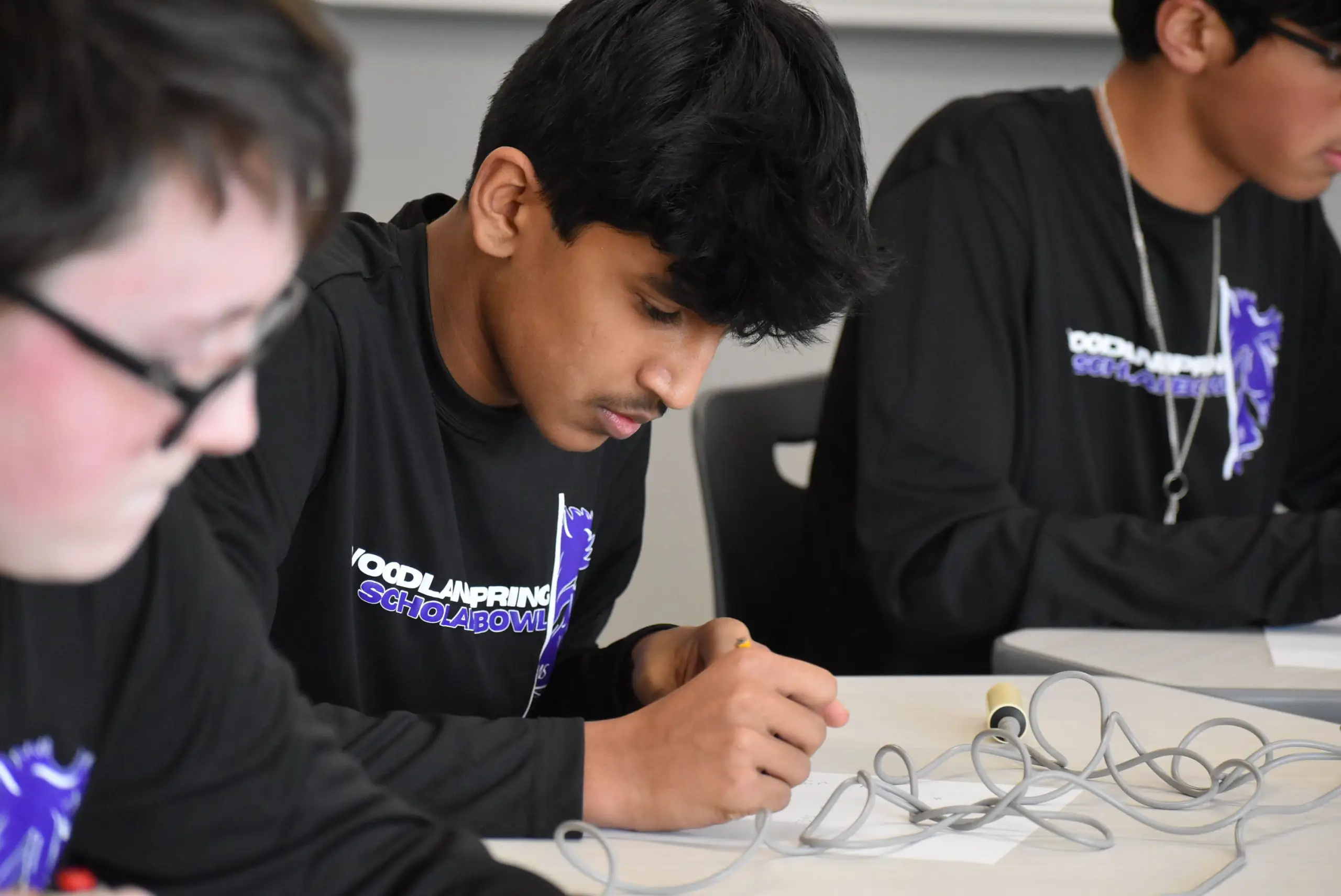
- Academic collaboration in progress
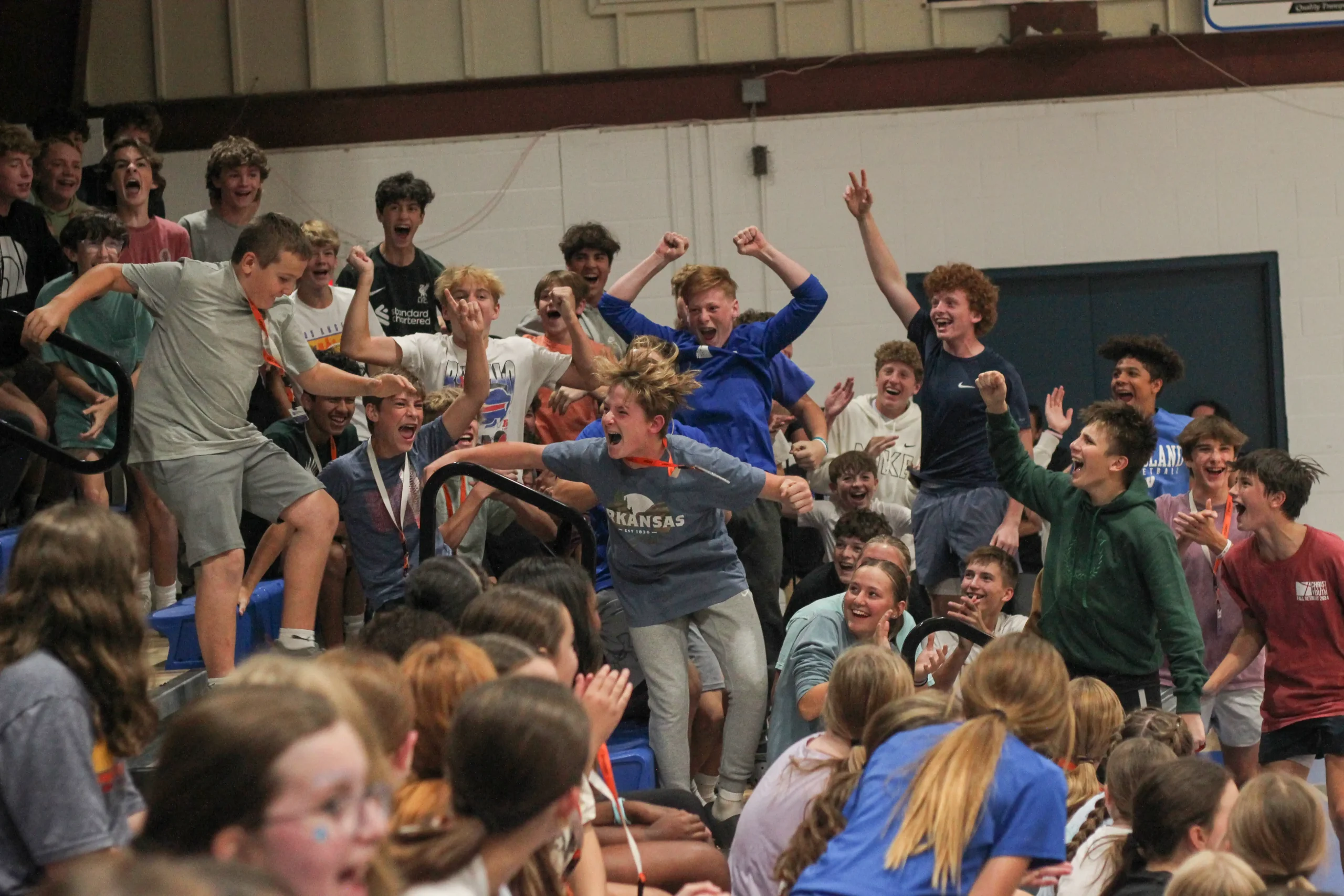
- Authentic reactions between students
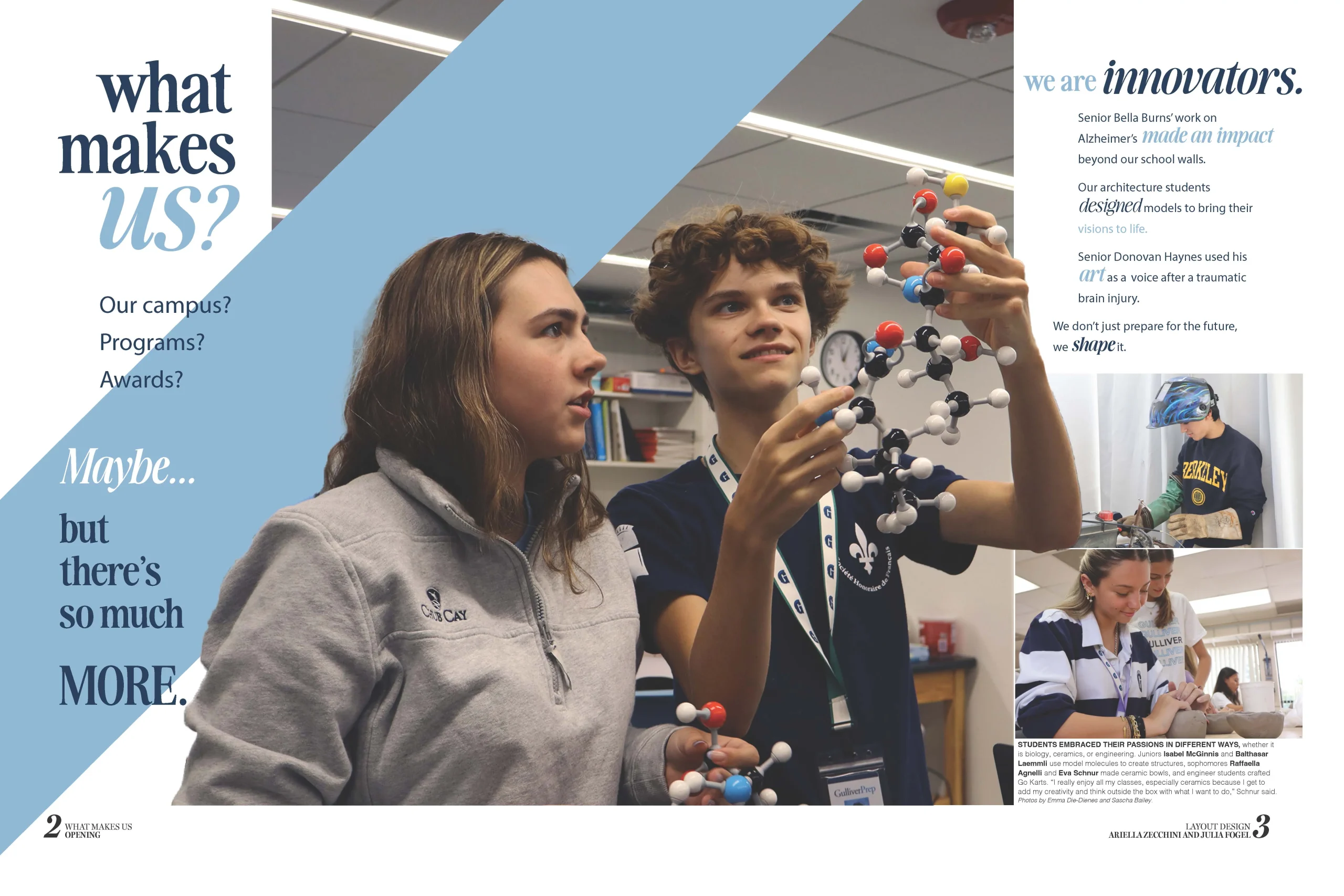
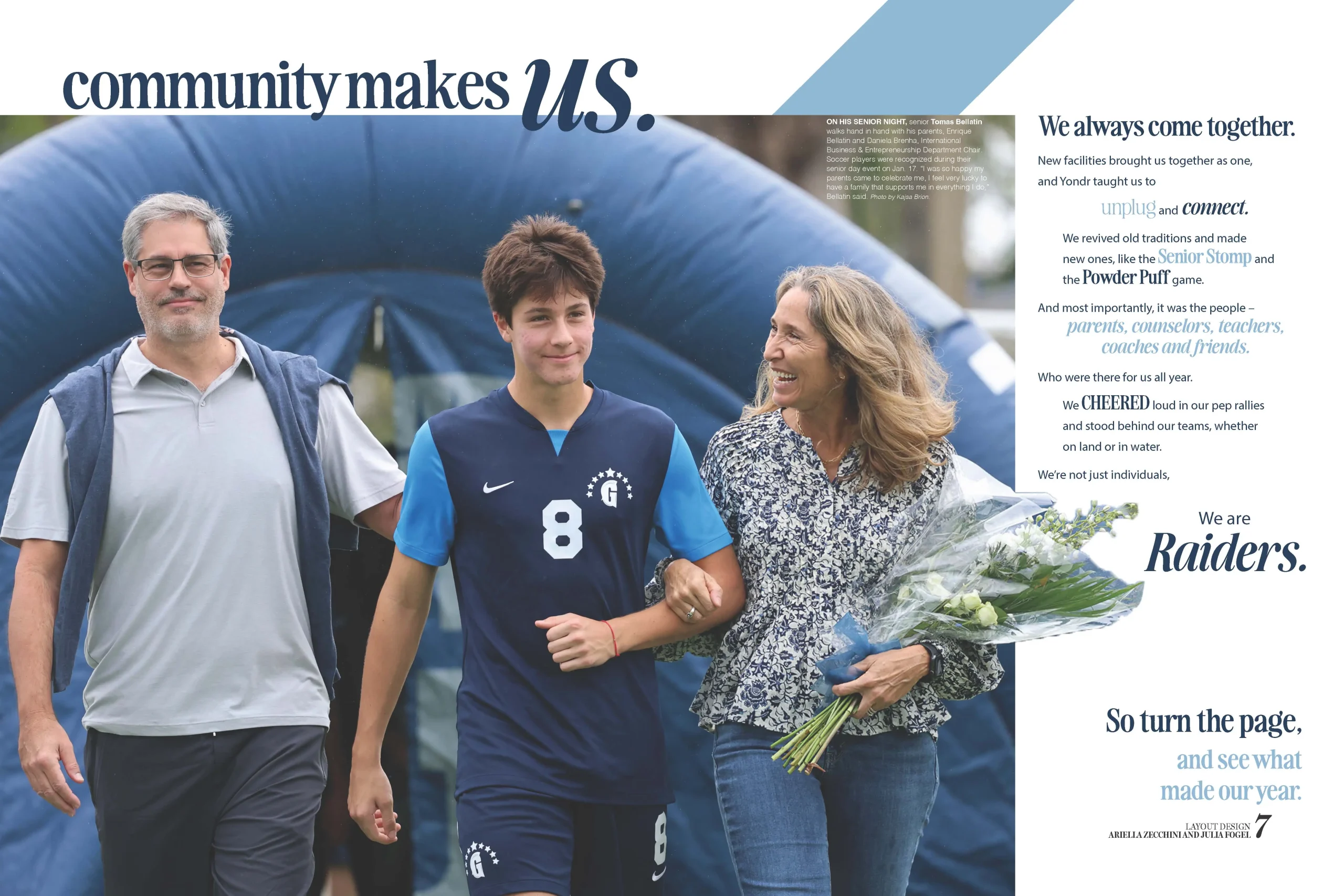
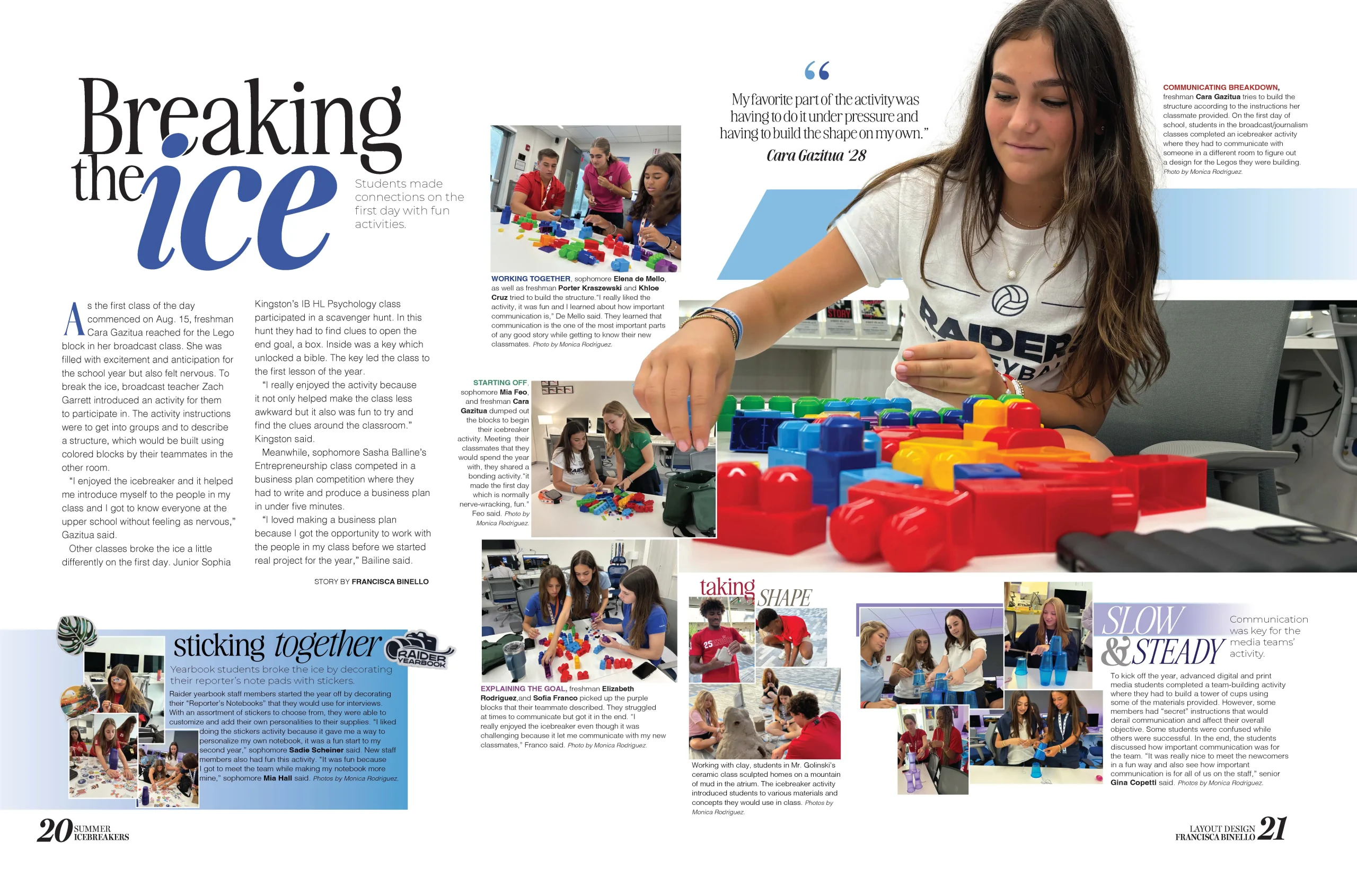
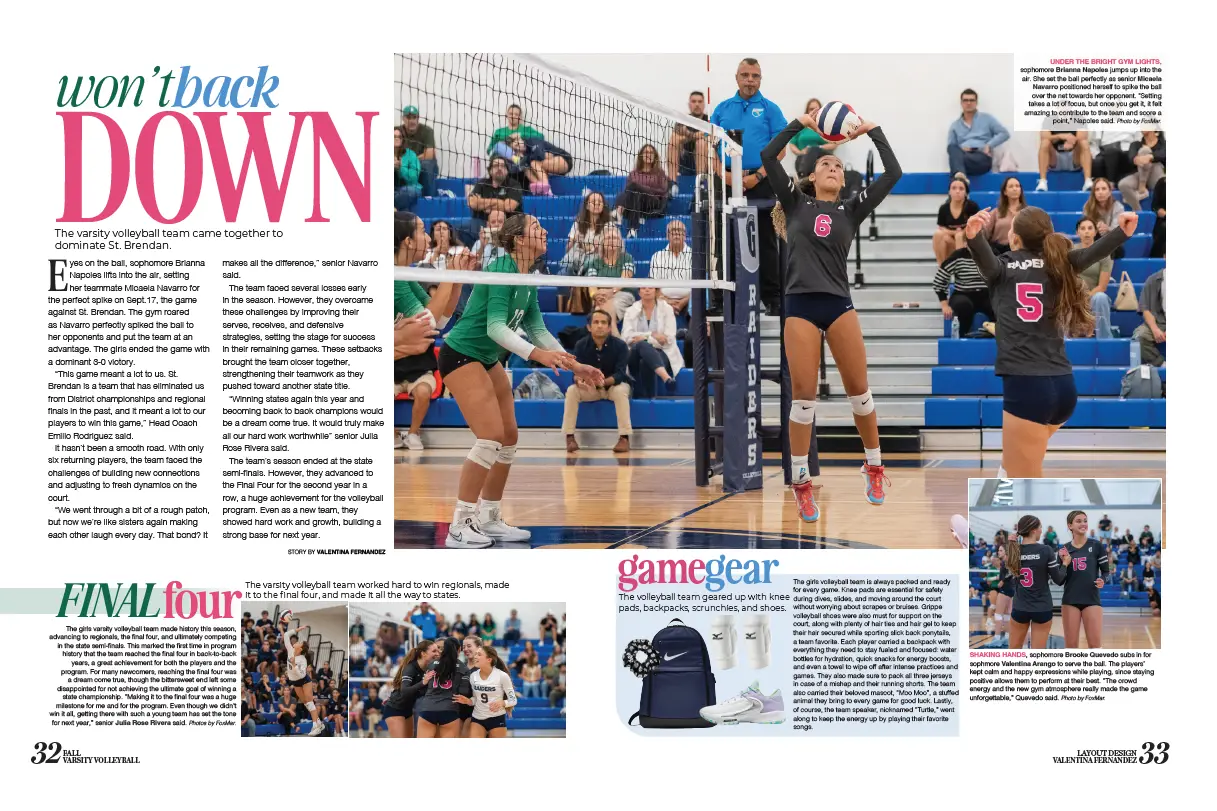
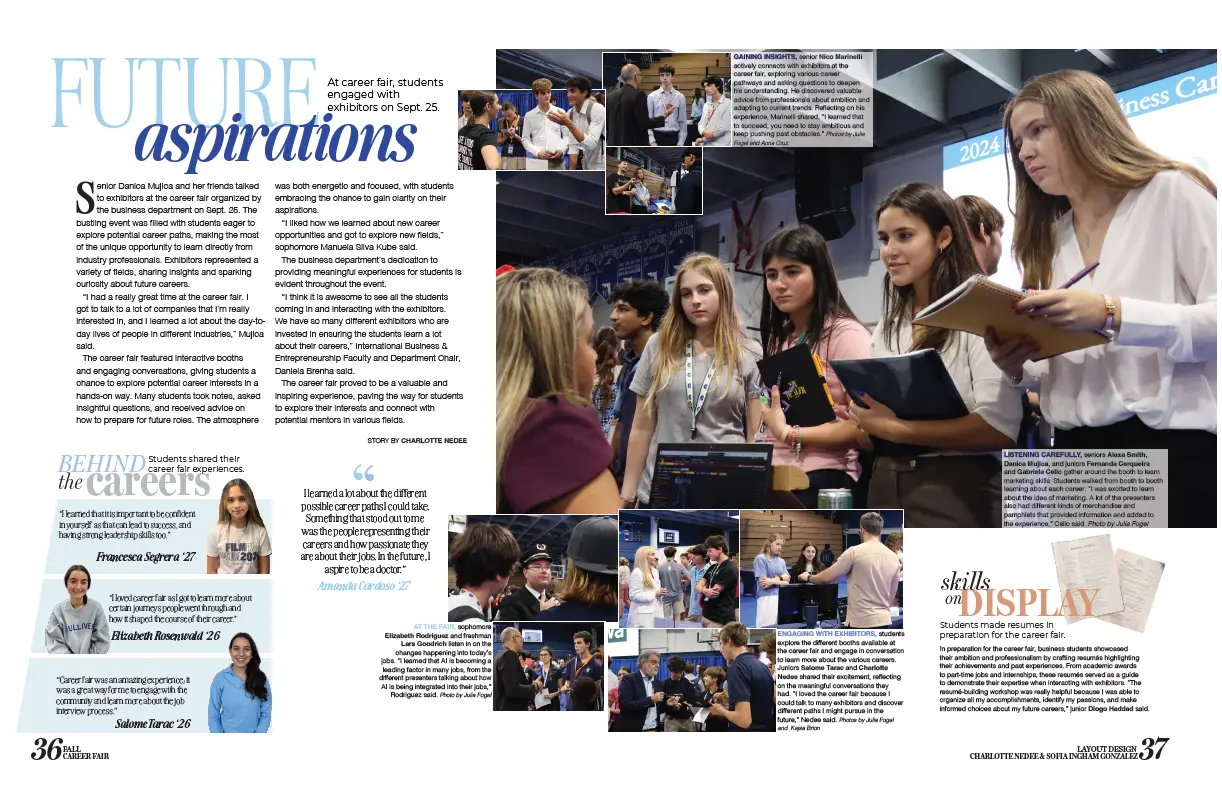
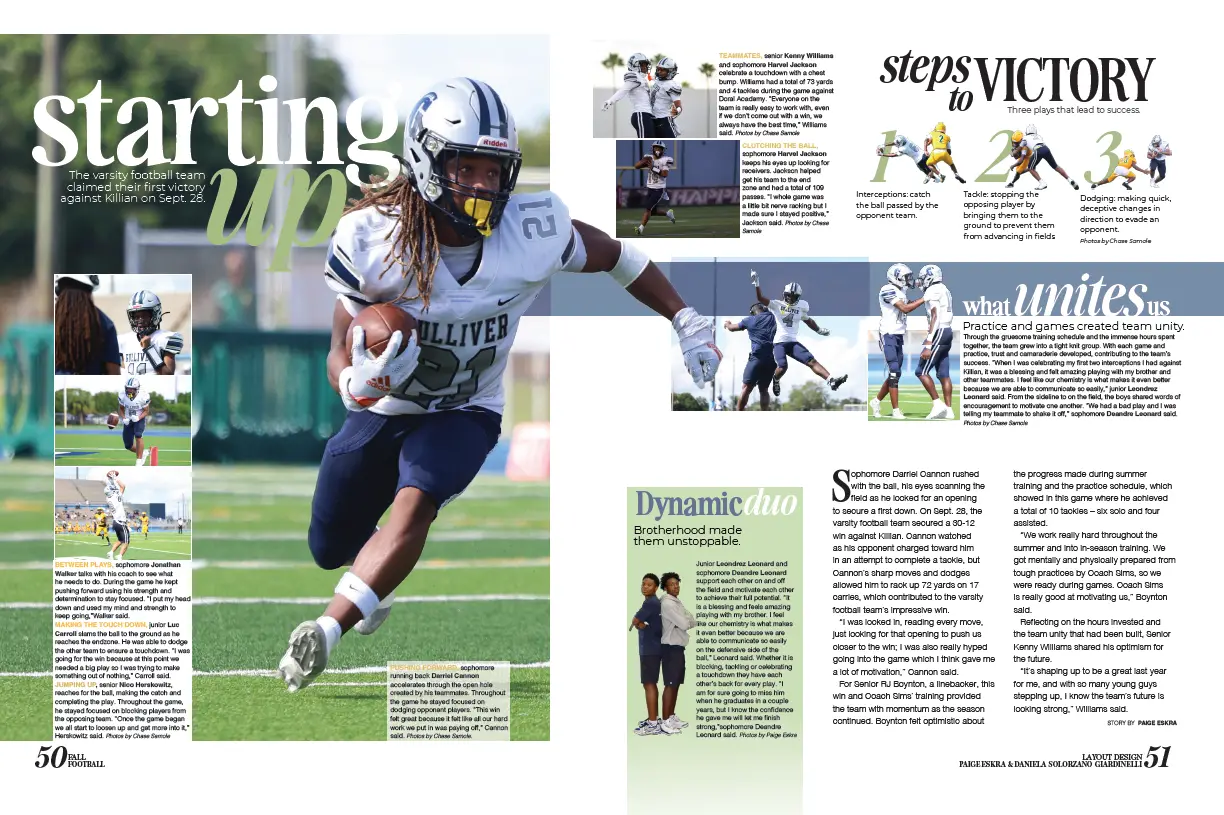
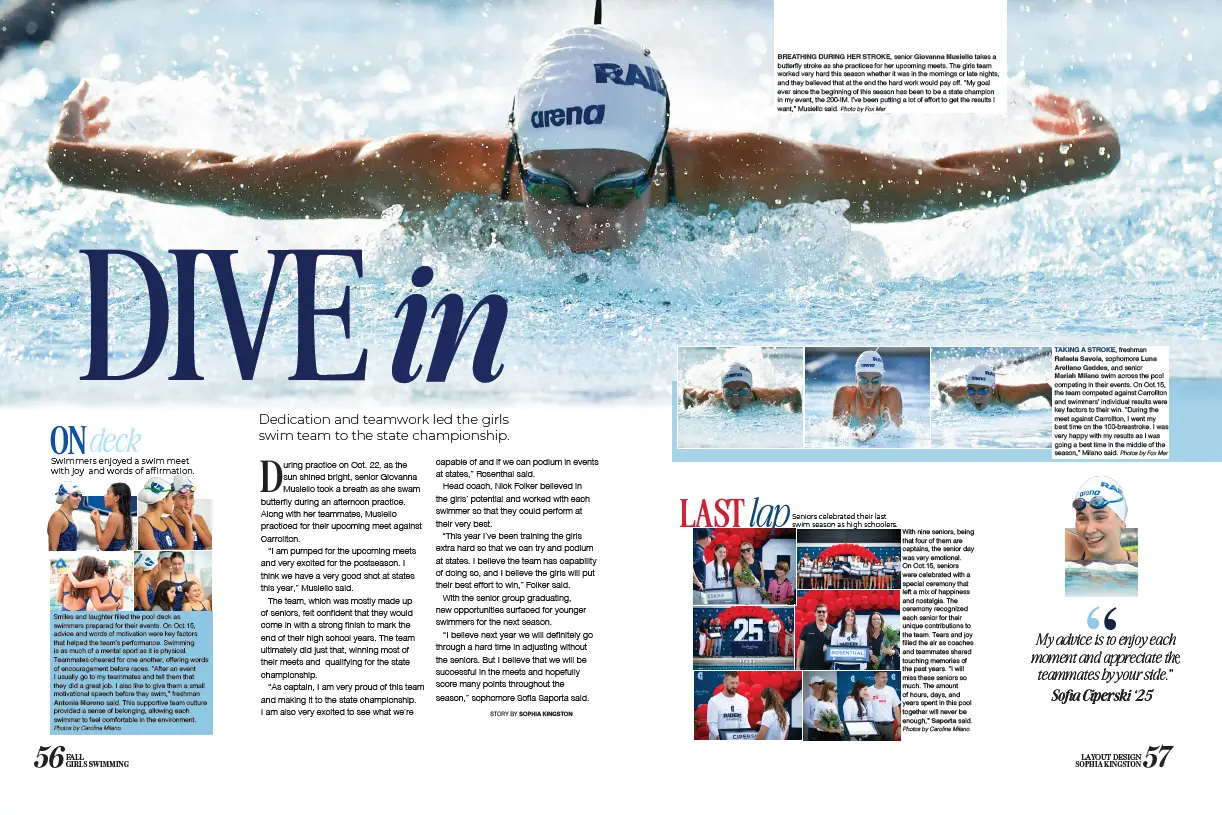
Raider, Gulliver Preparatory Upper School, Miami, Florida
Gulliver’s photography stands out because it prioritizes authentic action in every section, including academics. Instead of staged images, photographers captured students working, reacting and interacting in real time.
From emotional senior night moments to intense sports coverage, each dominant photo shows movement and expression. Faces are visible. The moment feels real.
Why it works:
- Action creates energy
- Emotion builds connection
- Readers feel like they were there
What to apply:
Stop defaulting to posed group shots. Train photographers to anticipate moments instead of arranging them.
2. Use Composition With Intention
Strong yearbook photography consistently demonstrates understanding of foundational composition techniques:
- Rule of thirds
- Leading lines
- Framing
- Repetition
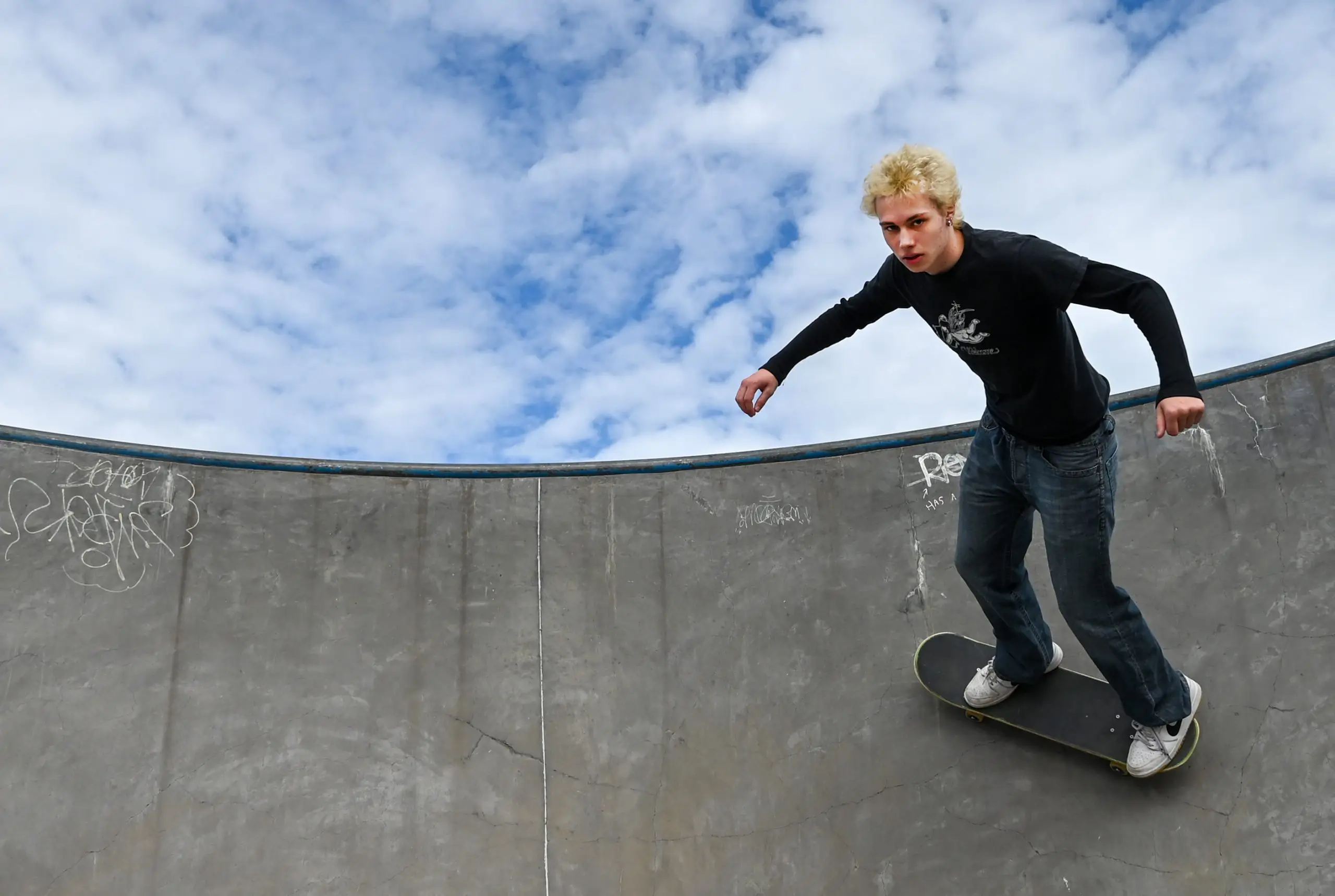
- Worm’s-eye view, shooting from below
- Depth of field, where the subject is sharp and the background soft
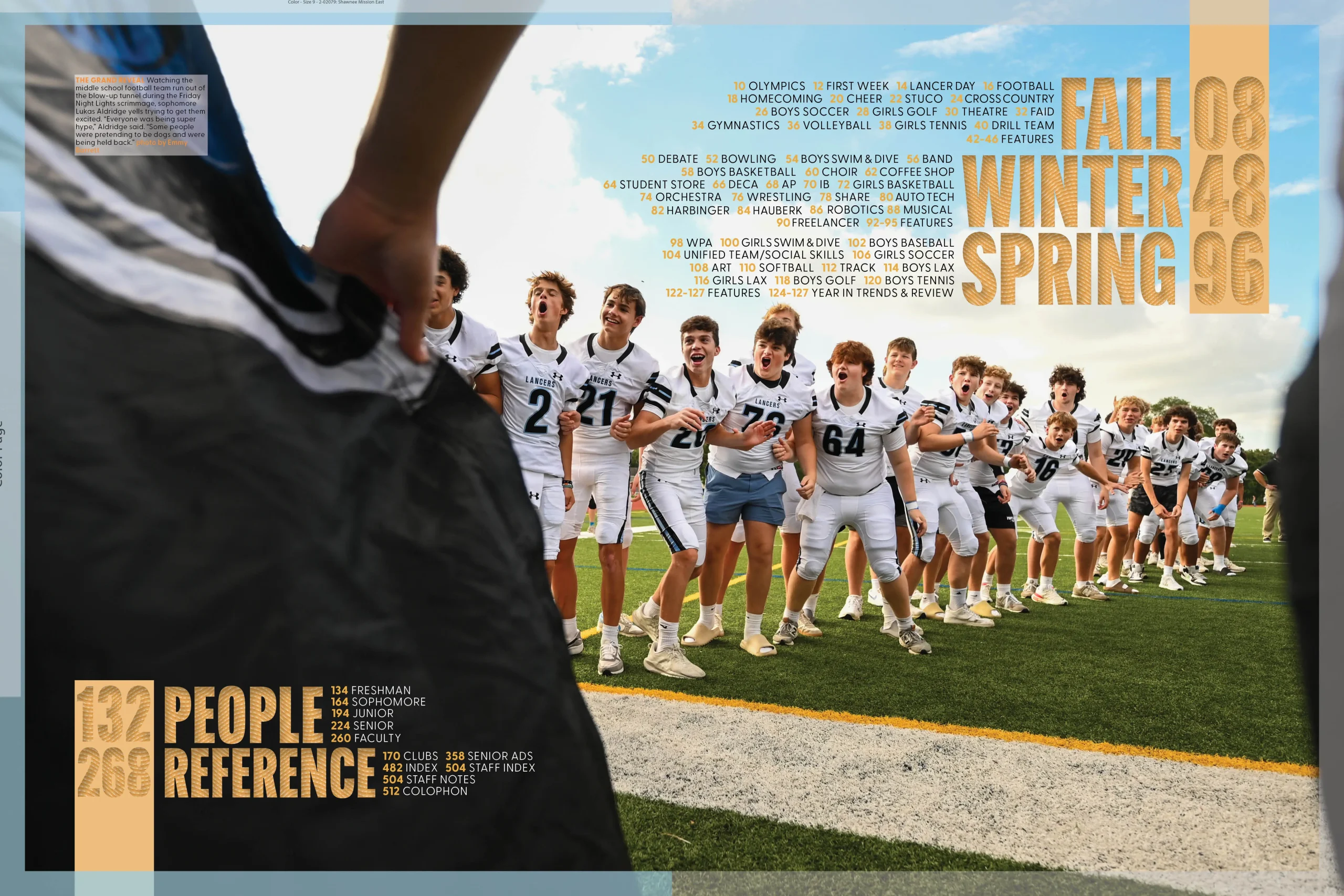
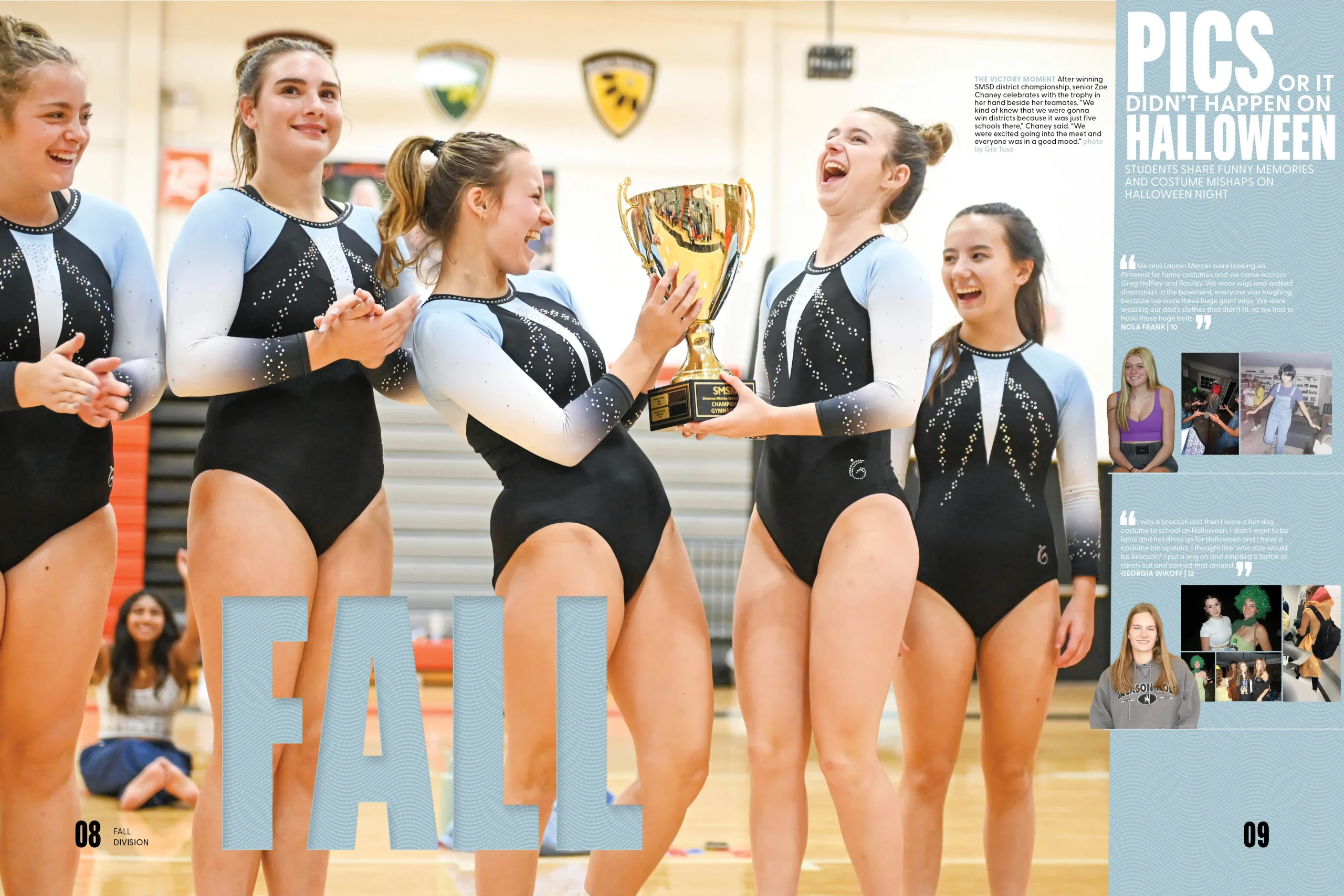
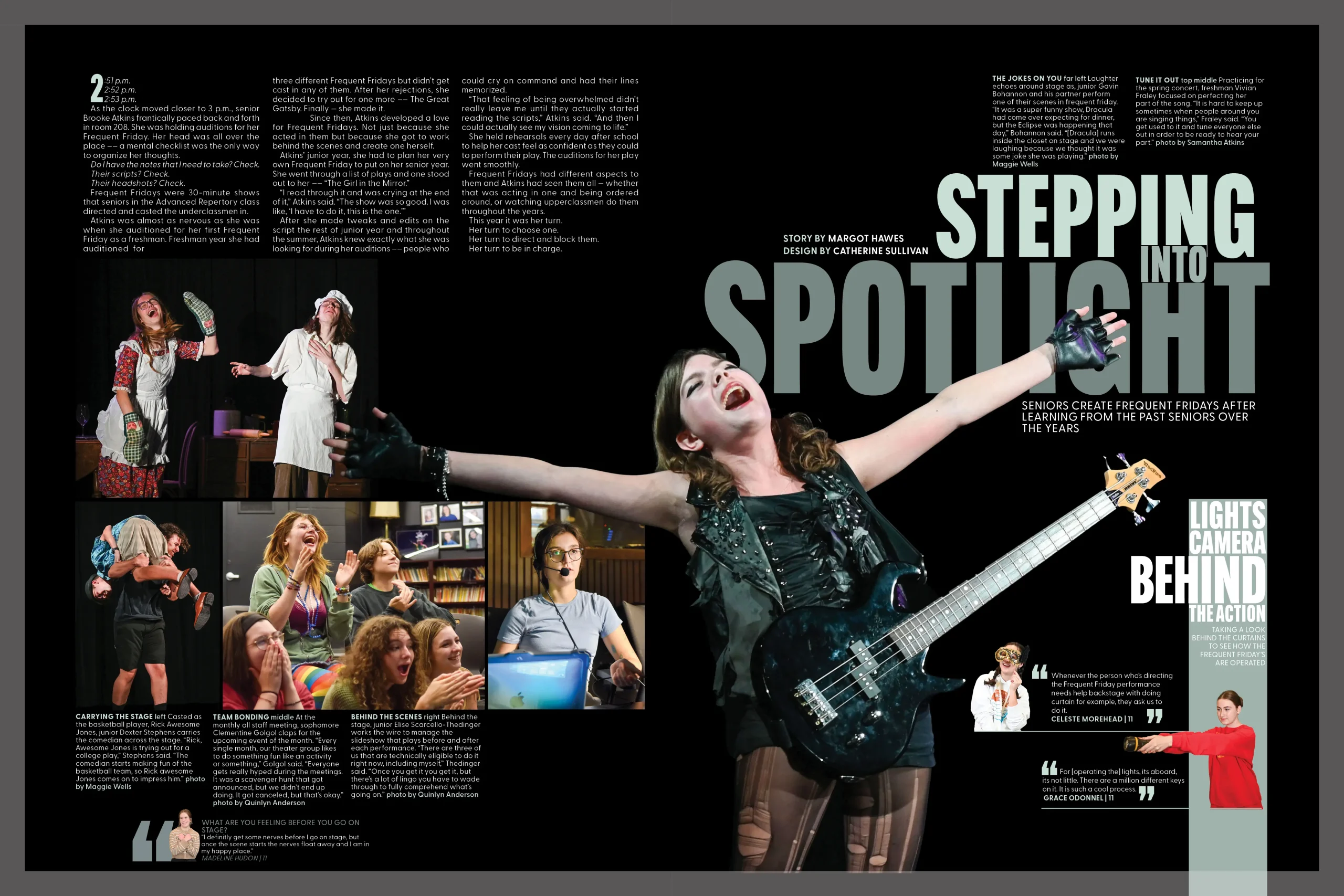
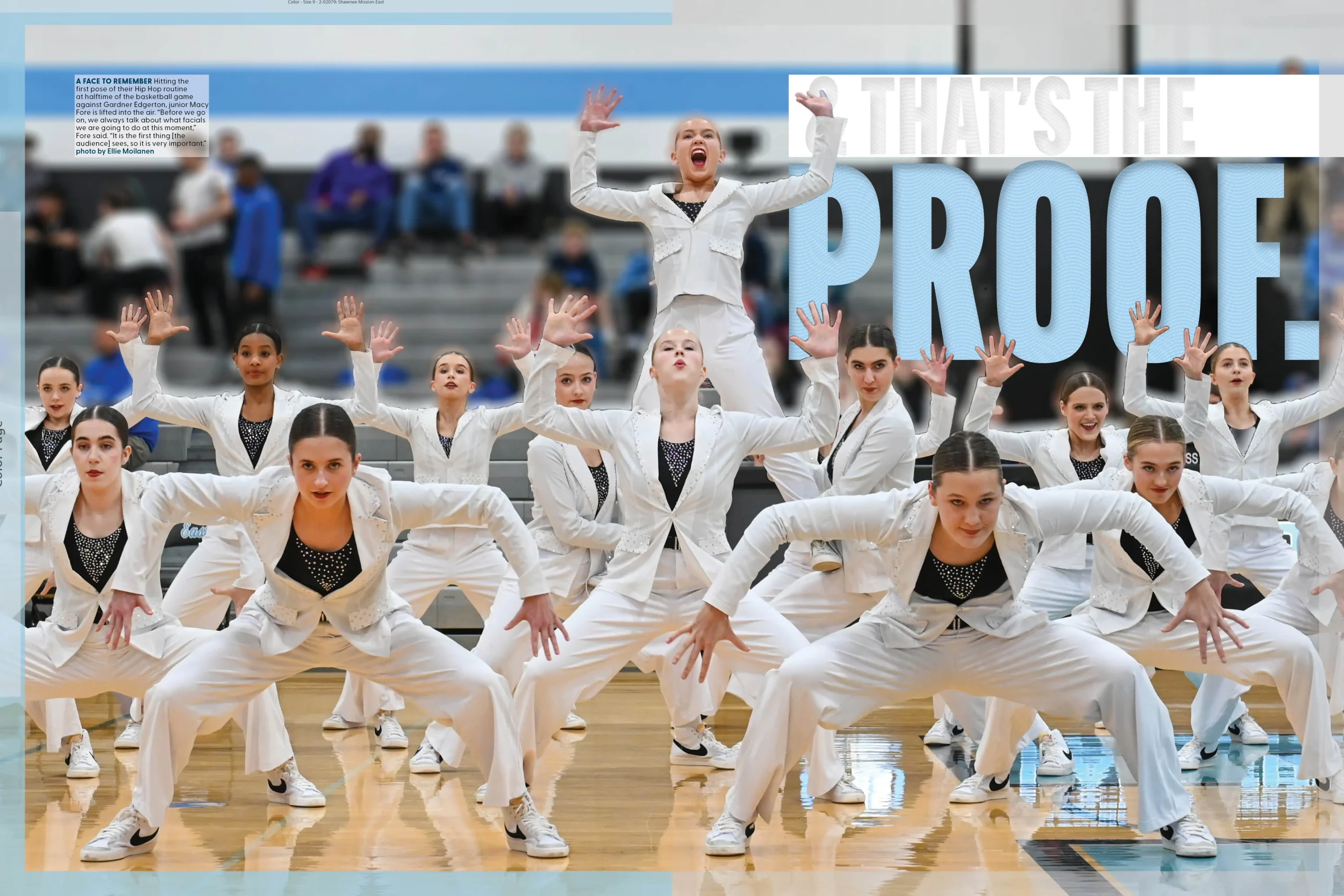
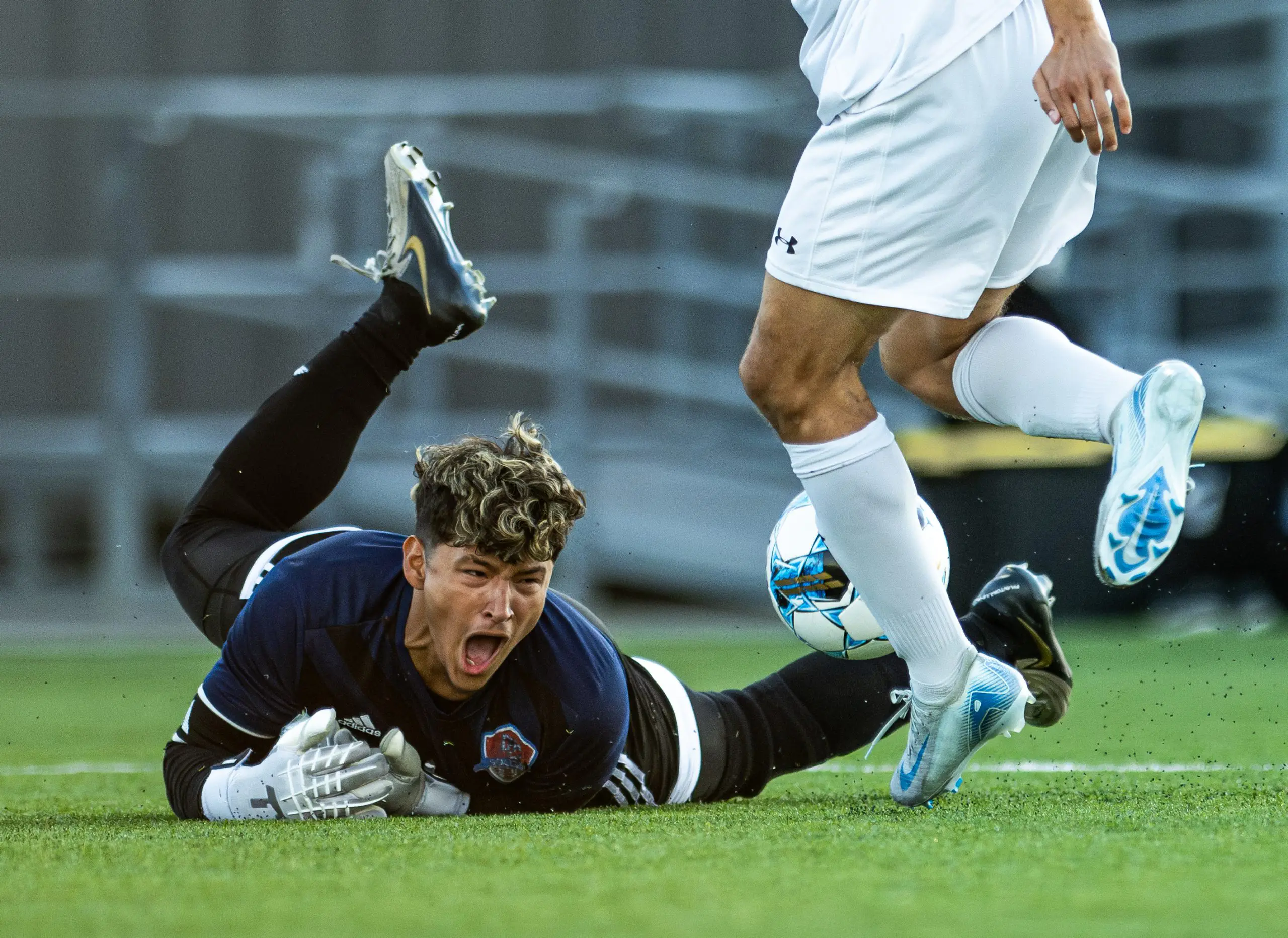
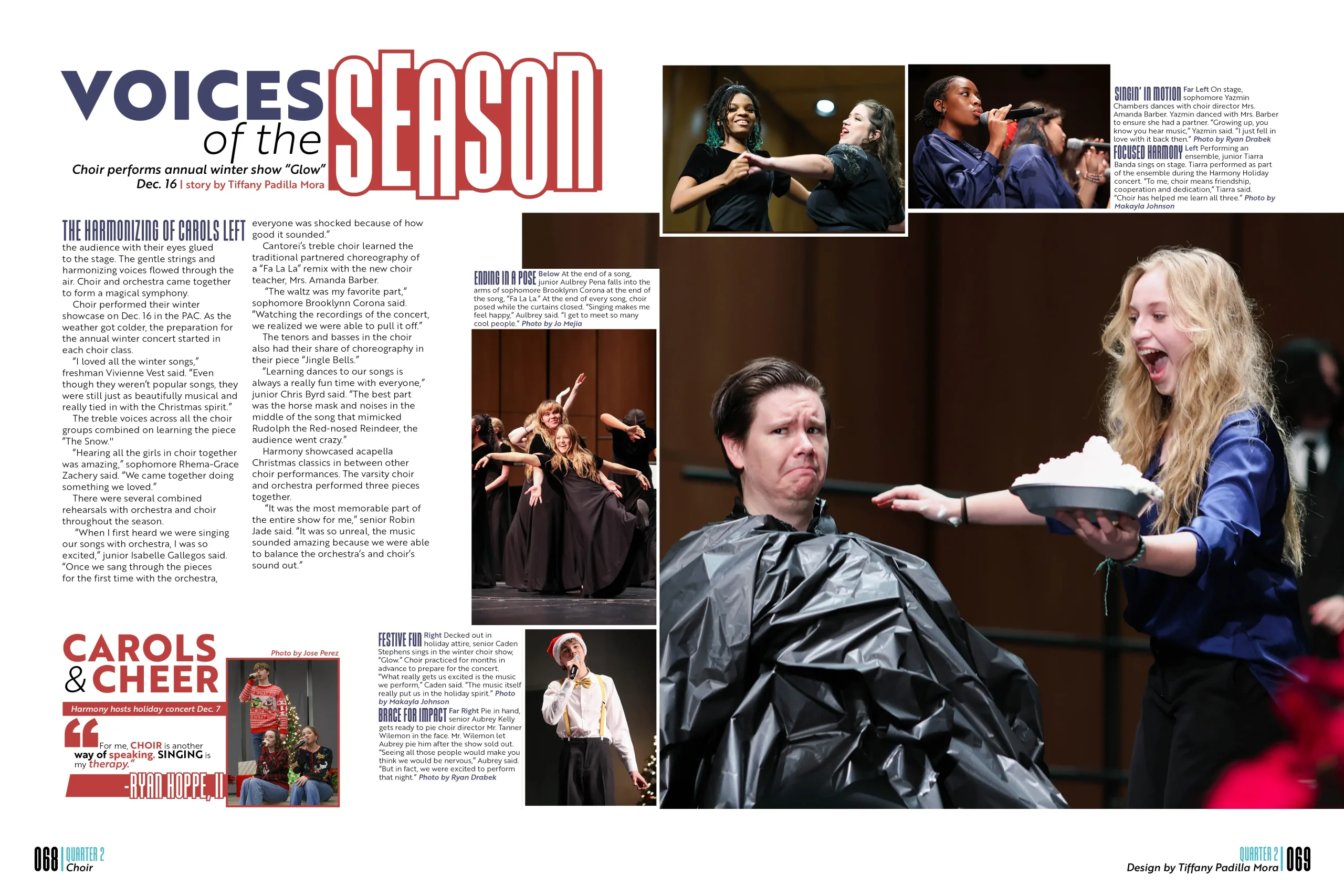
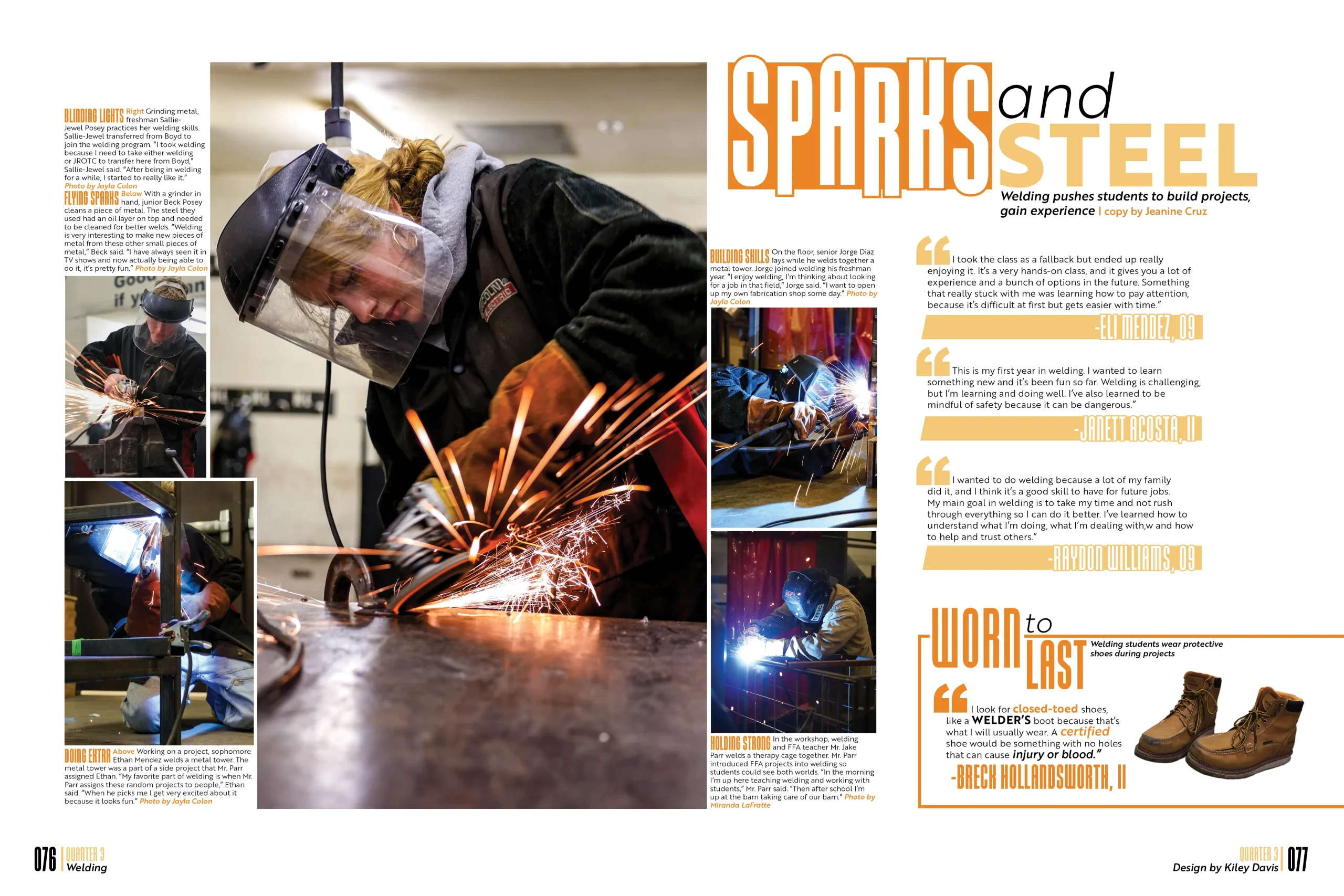
Hauberk, Shawnee Mission East High School, Prairie Village, Kansas
Hauberk demonstrates strong control of composition. Sports and feature photos clearly use rule of thirds, leading lines and dramatic low angles.
In cross country coverage, natural leading lines guide the reader’s eye toward the copy. In skate and football photos, worm’s-eye views add intensity. Each image feels purposeful, not accidental.
Why it works:
- Composition directs attention
- Strong angles add drama
- The page feels dynamic instead of flat
What to apply:
Teach photographers to identify lines, framing elements and background distractions before pressing the shutter.
3. Capture Emotion, Even in Challenging Conditions
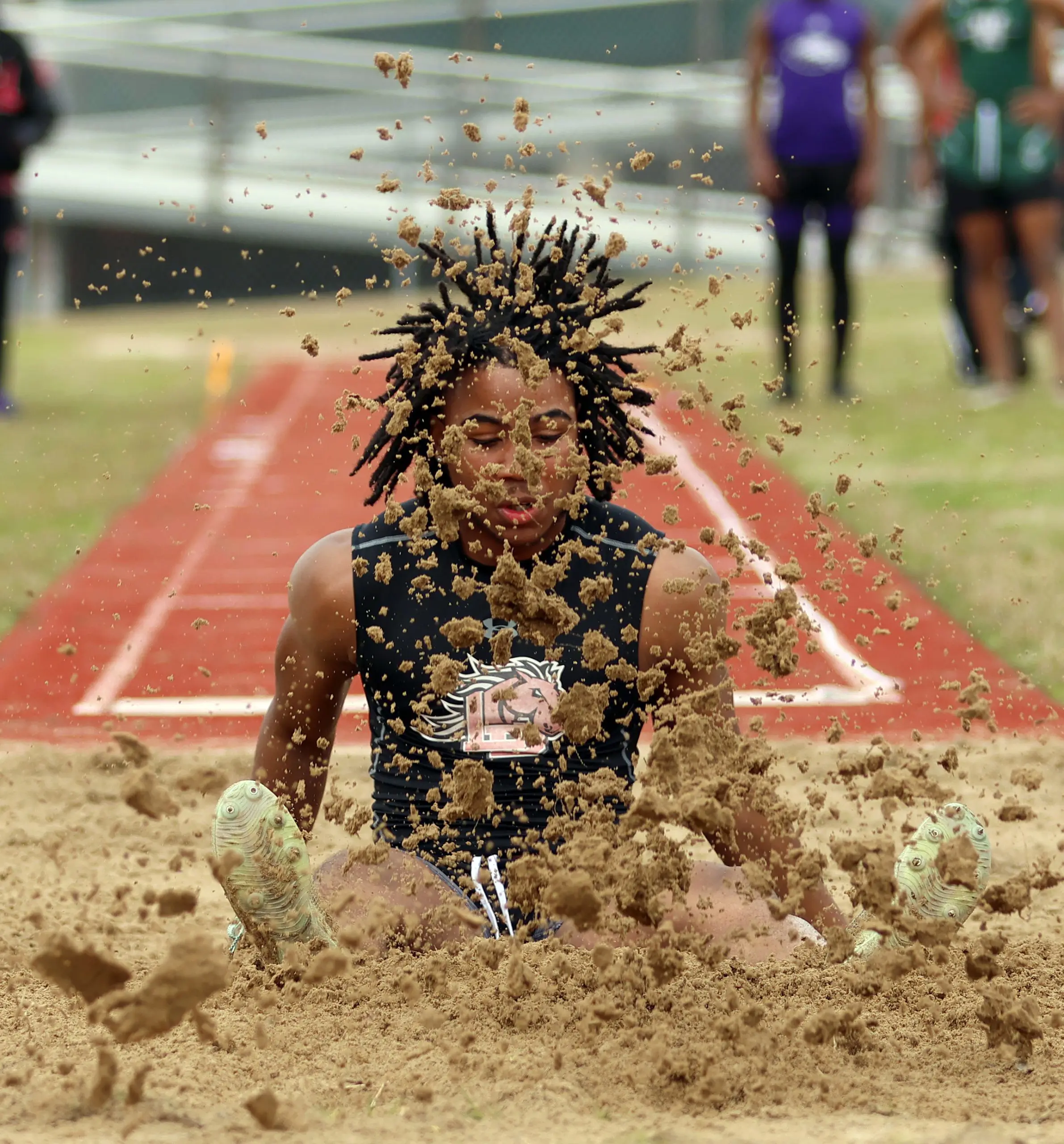
Night games. Stadium lighting. Indoor performances. Fast-moving sand in track events.
Despite the conditions, great photographers:
- Position themselves to use available light
- Edit carefully for clarity and balance
- Preserve natural contrast and color
- Avoid dark shadows that hide faces
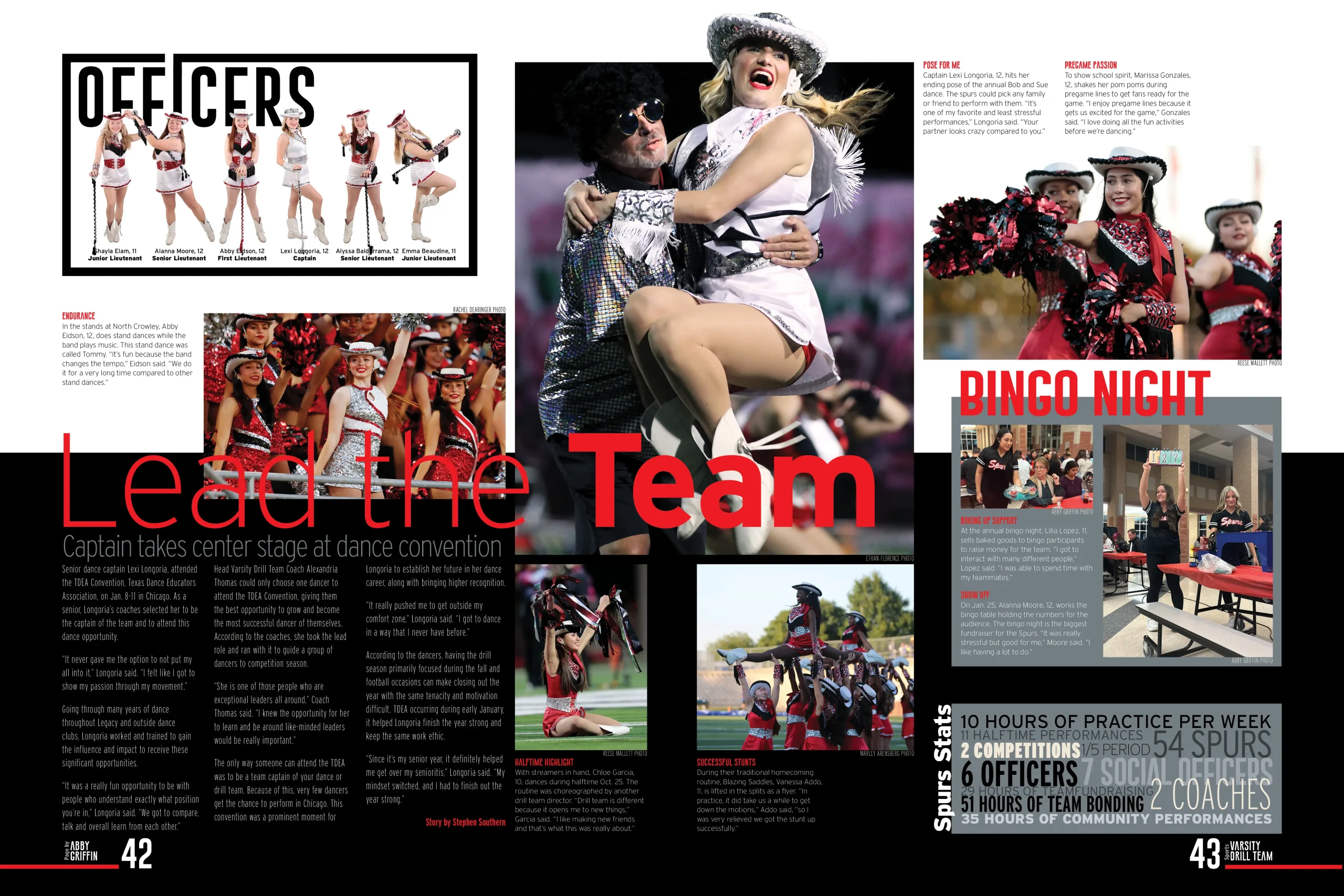
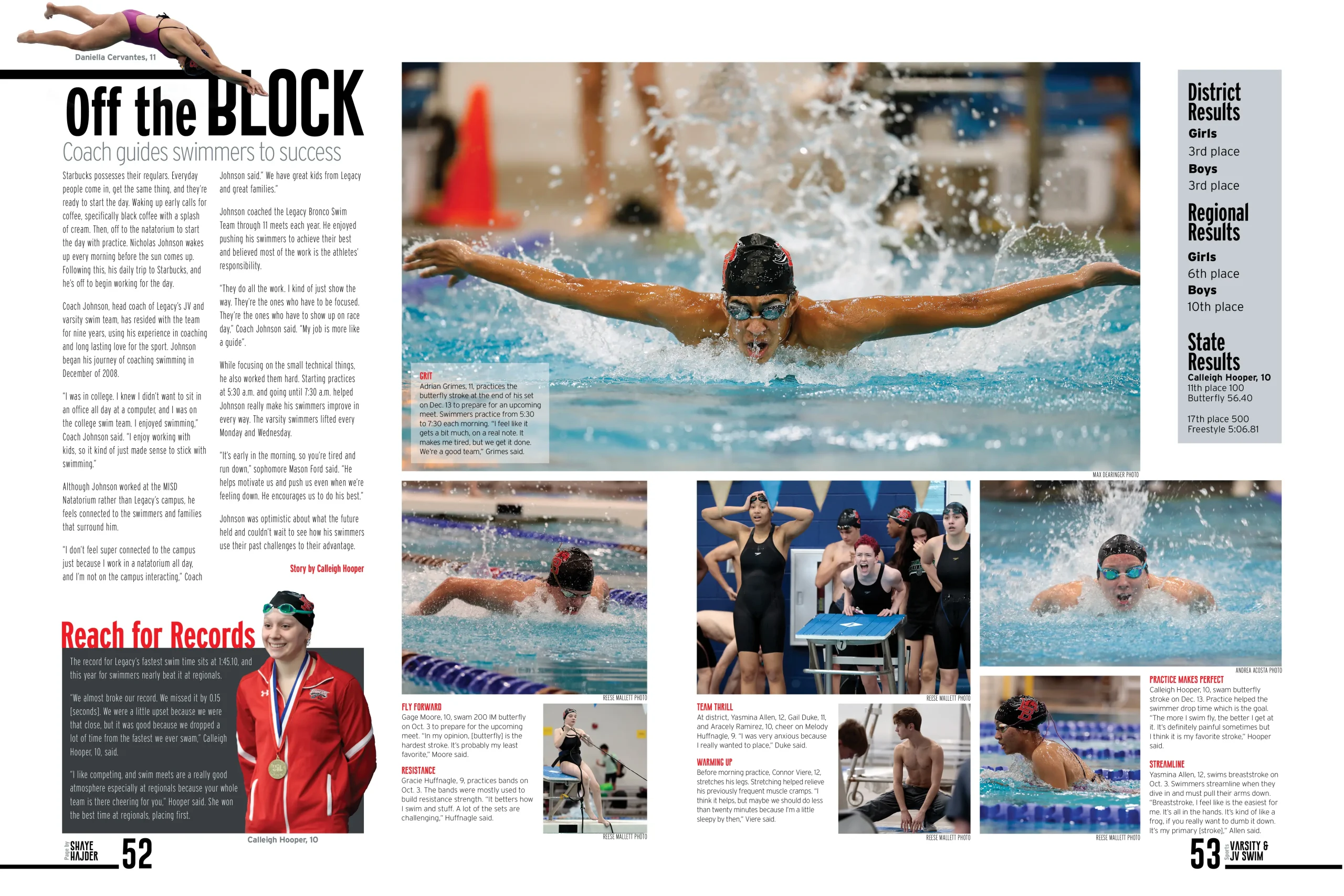
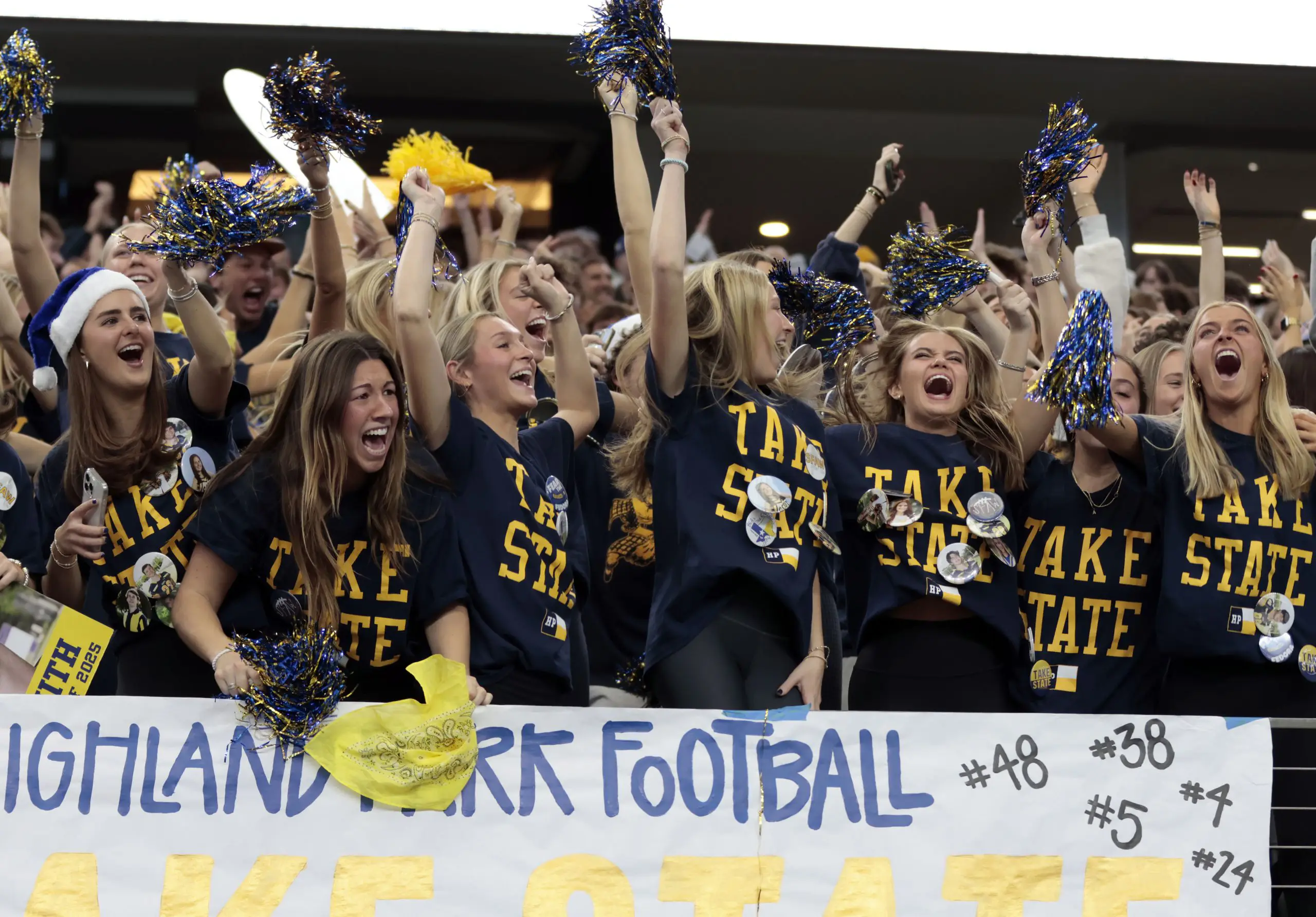
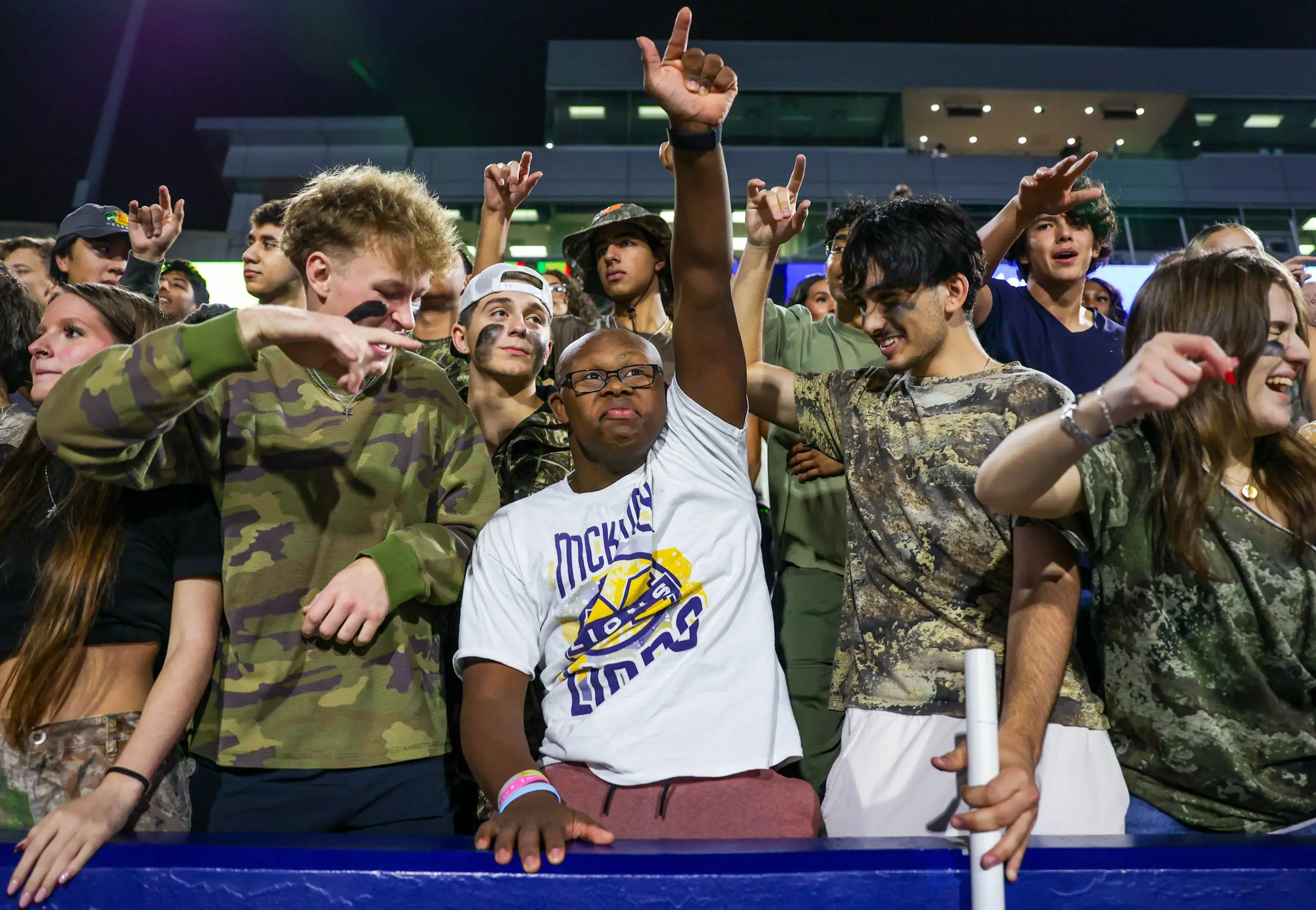
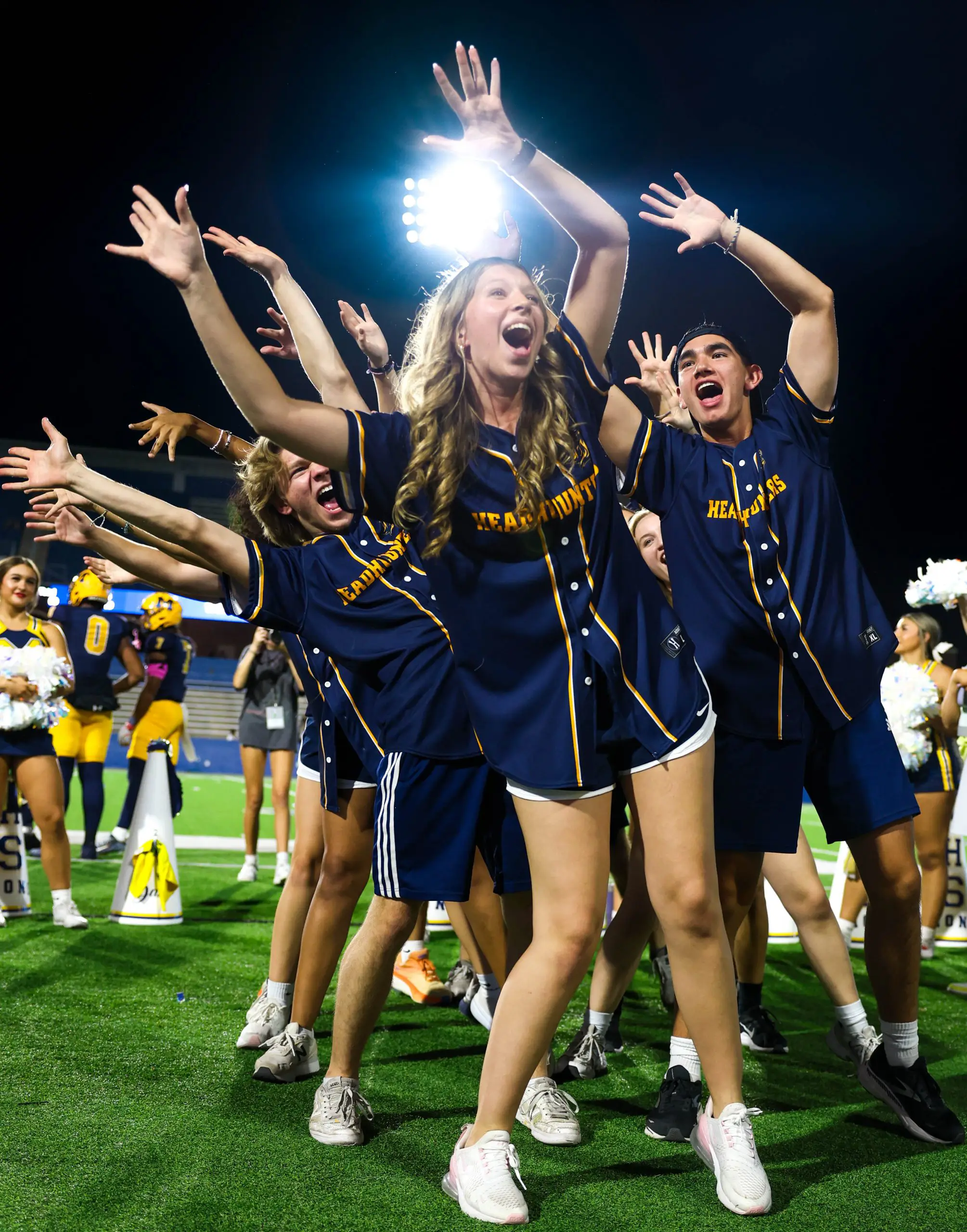
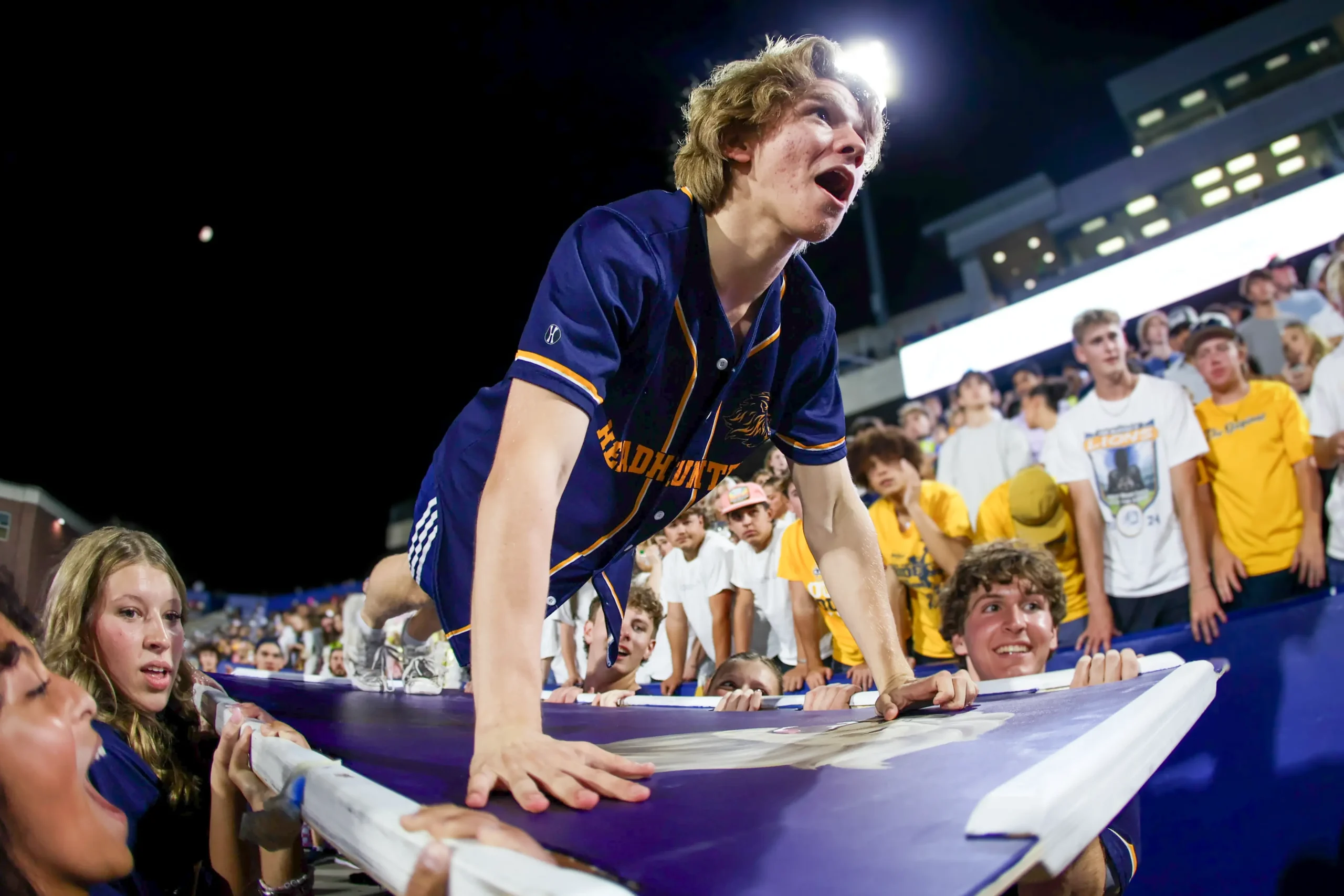
Arena, Legacy High School, Mansfield, Texas
Legacy’s photography excels in high-energy environments. Crowd shots show visible faces and layered emotion. Action photos demonstrate depth of field and strong timing.
Even in fast-paced settings, the subject remains clear. Photographers positioned themselves intentionally to shoot upward into crowds or isolate key moments.
Why it works:
- Emotion elevates coverage
- Depth creates dimension
- Strong positioning prevents clutter
What to apply:
Move your feet. Change angles. Look for clean sightlines and facial expressions before taking the shot.
4. Master Lighting and Technical Quality
Creative vision fails if the file quality is weak.
This President’s Collection video emphasizes:
- Proper resolution for print
- Correct proportional enlargement
- No stretched images
- Clean, crisp focus
- Appropriate lighting for reproduction
Photos that look fine on a phone can fall apart in print. Award-winning staffs understand print production requirements and shoot with that end use in mind.
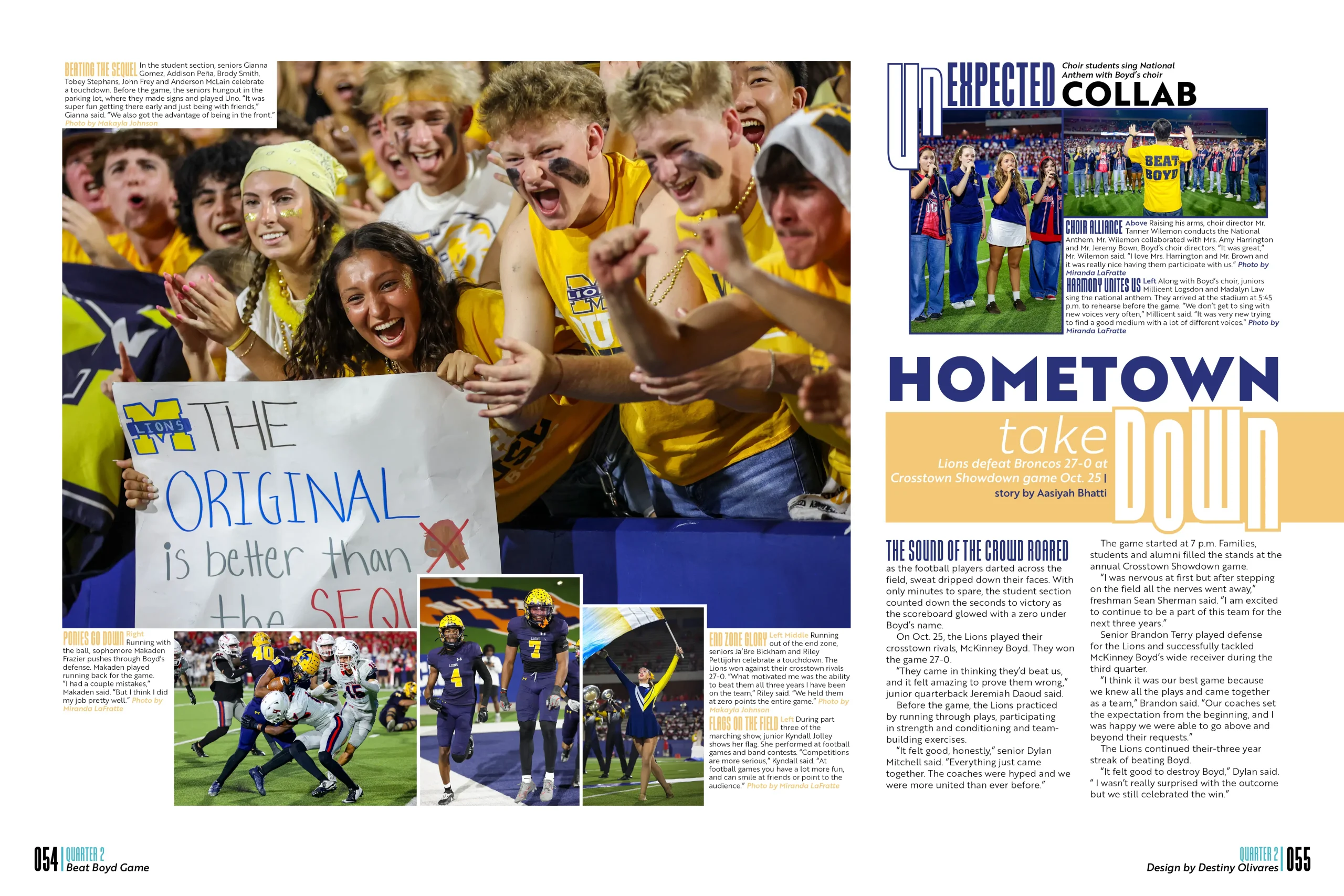
The Lion, McKinney High School, McKinney, Texas
The Lion continues its tradition of strong photography with crisp night coverage and technically sound action shots. Stadium lighting is handled carefully so faces remain visible and colors print cleanly.
Images are not stretched. Resolution supports enlargement. Even high-action moments remain sharp and well lit.
Why it works:
- Print quality matters
- Lighting affects readability
- Technical control protects credibility
What to apply:
Review resolution standards before layout. Teach photographers how to adjust for low light instead of blaming the environment.
5. Connect Dominant Photos to Headlines and Coverage
Strong yearbook photography does not exist in isolation. It works with design.
Award-winning spreads show:
- Dominant photos tied directly to headline themes
- Supporting images that build the story
- Visual flow that leads readers into captions and copy
- No flipped or altered images that misrepresent reality
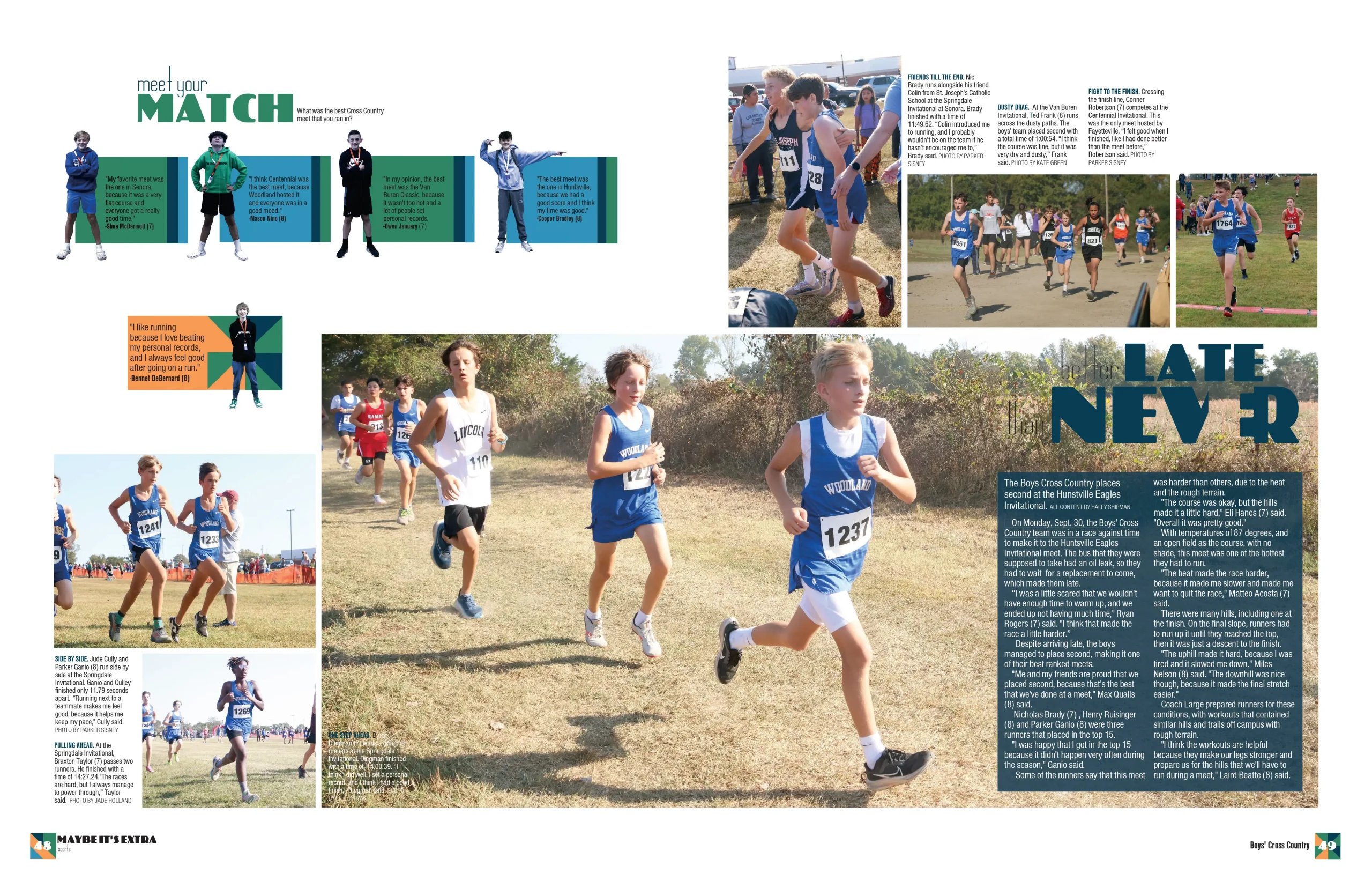
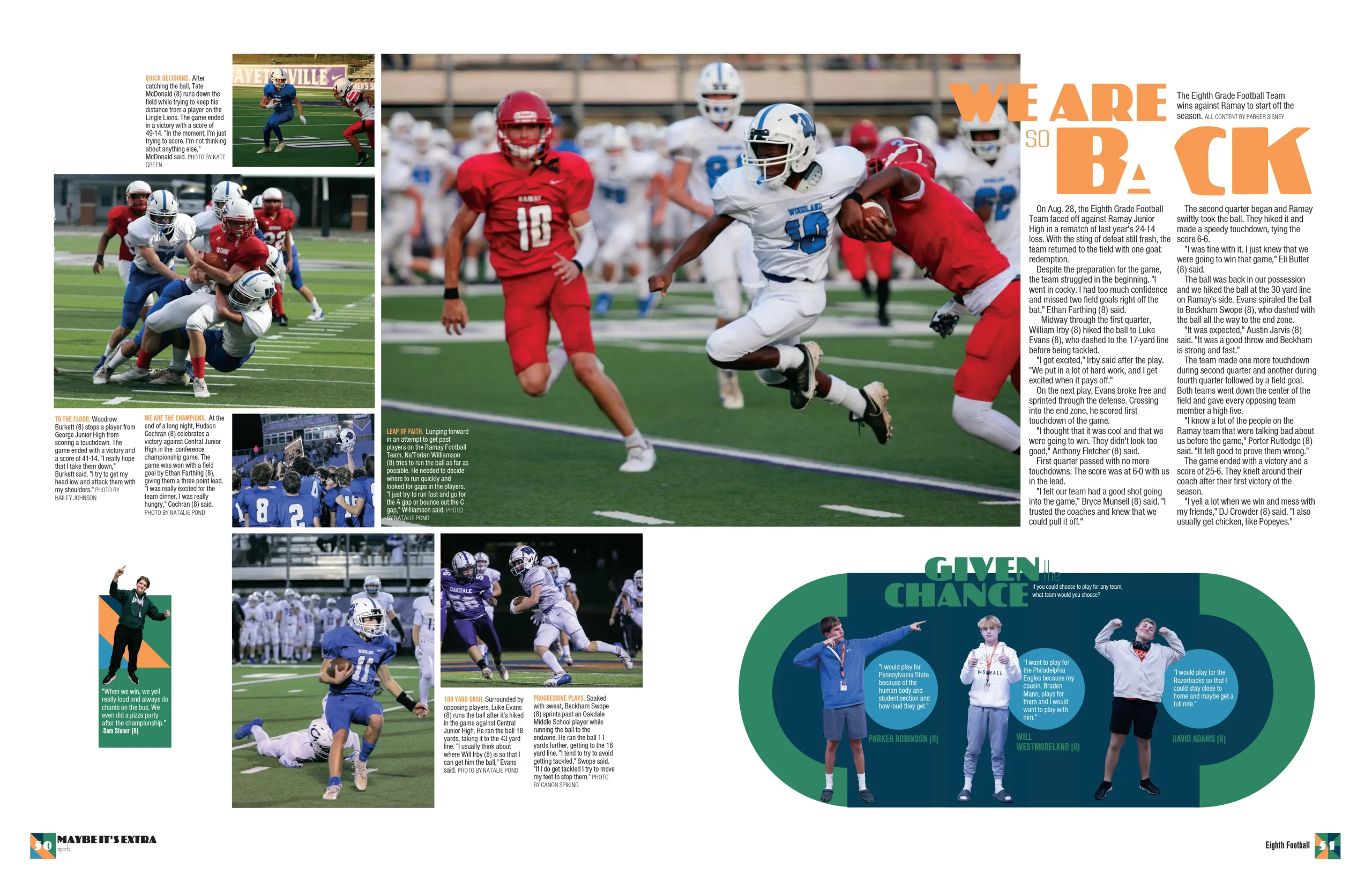
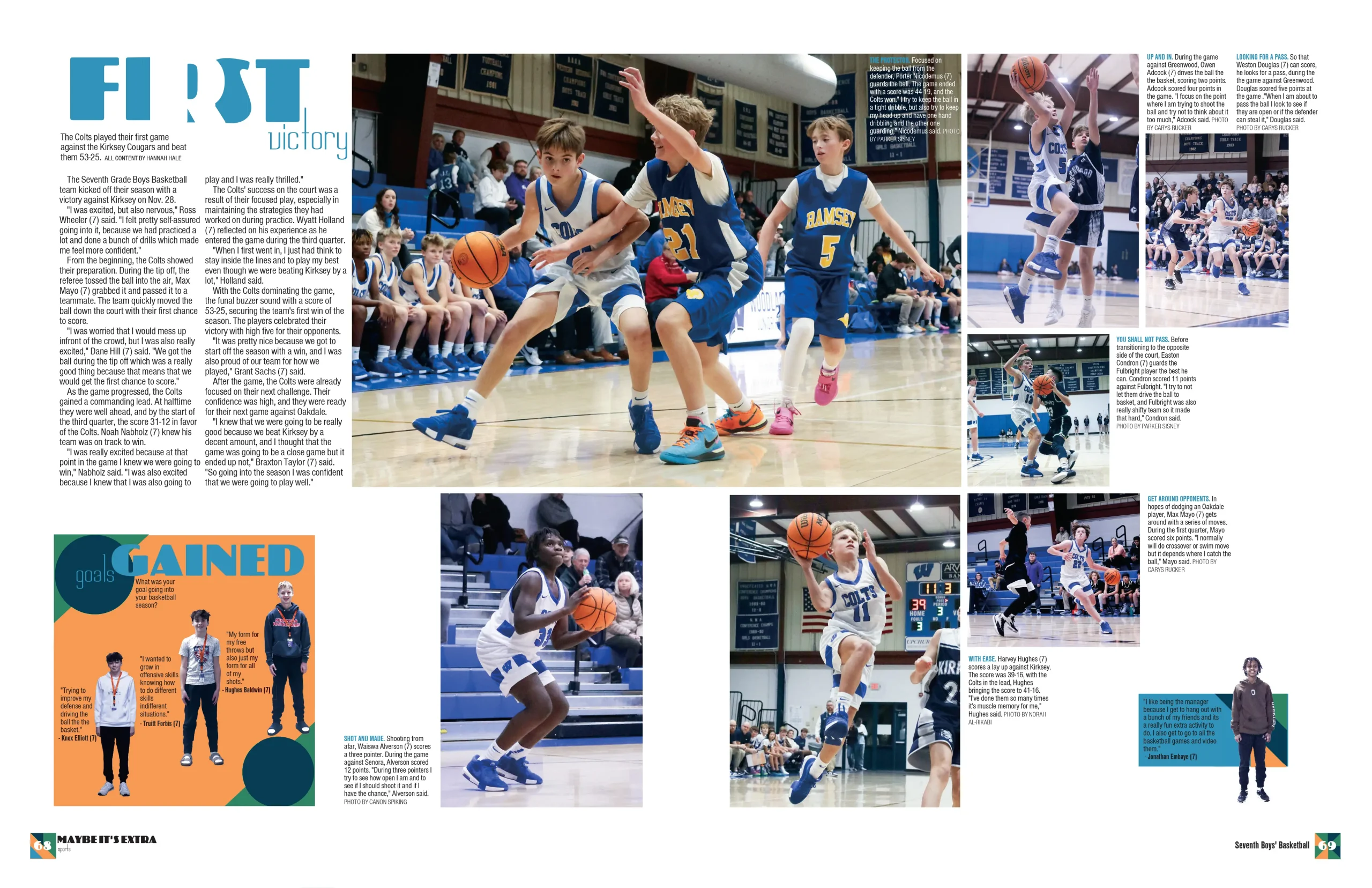
The Round-Up, Woodland Junior High School, Fayetteville, Arkansas
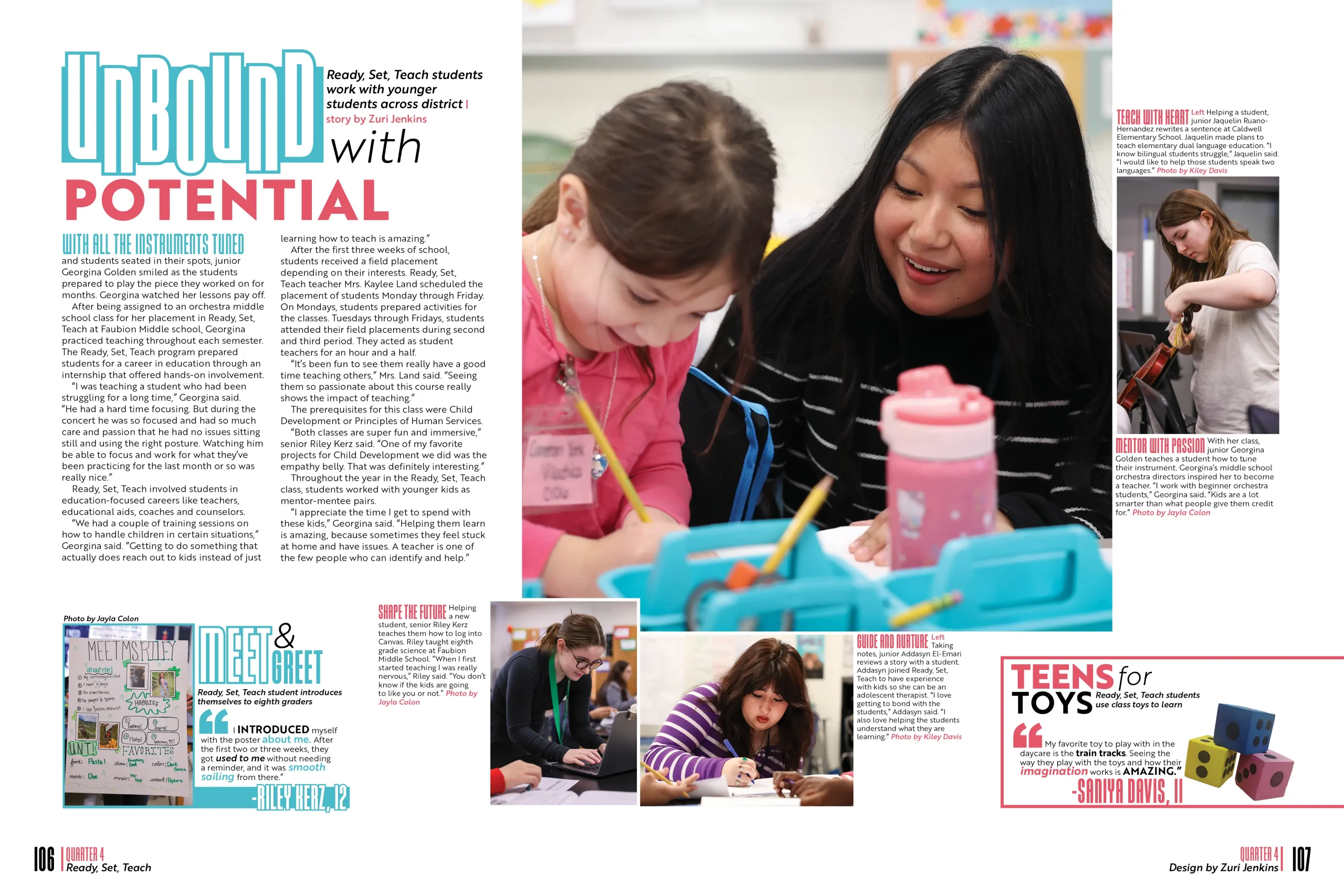
The Round-Up stands out because its photography works seamlessly with design. Dominant sports images tie directly to the headline angle, while supporting photos build the full story of the event. Leading lines move the reader toward copy blocks and action shots consistently capture the ball in play to reinforce coverage.
Photos feel authentic and un-staged. Nothing is flipped or altered in a way that changes reality. The result is a cohesive spread where photography strengthens the storytelling instead of competing with it.
Why it works:
- Dominant photos anchor the headline theme
- Supporting images expand the narrative
- Visual flow guides readers into captions and copy
- Authentic representation reinforces journalistic standards
What to apply:
Choose dominant images based on story value, not just visual impact. Look for natural leading lines that move readers through the spread. Capture the ball, the reaction, and the emotion to strengthen coverage.
How to Use this Resource
Each video includes a paired lesson plan, making the series easy to use for:
- Bell ringers
- Independent practice
- Skill-building work sessions
- Sub plans
- Inspiration during production
Explore the 2025 President’s Collection Training Series and start capturing photos that elevate every spread in your yearbook