
Copywriting
How student leaders can take charge of yearbook proofing with a five-phase system.
Learn how yearbook editors can lead a five-phase proofing system to catch errors, reduce stress and improve accuracy before deadlines.

Learn how yearbook editors can lead a five-phase proofing system to catch errors, reduce stress and improve accuracy before deadlines.

National Yearbook Week is officially underway, and we’re celebrating the students and advisers who make yearbook happen. Every finished yearbook represents months of creativity, teamwork, problem-solving and persistence. It takes photographers getting the shot, writers finding the story, designers bringing pages to life, editors watching every detail and advisers keeping the whole team moving. That deserves a celebration! Whether your


Just about every adviser has heard it from a student, parent or fellow faculty member: “The yearbook is too expensive.” But is price really the problem? Successful yearbook programs know sales are not driven by price alone. Families are more likely to buy when they understand the value of the book, see consistent reminders throughout the year and have simple
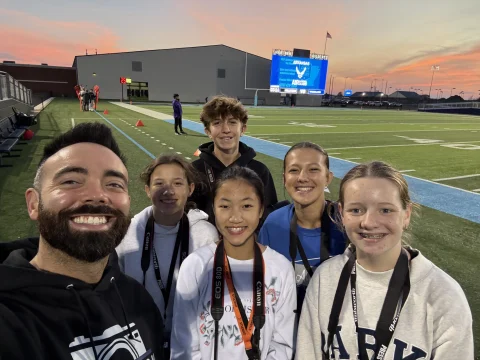

One of the most challenging and rewarding aspects of teaching middle school journalism is seeing how much students learn and accomplish in just a few short years. Most begin their journalism journey with little to no experience in photography, design or journalistic writing. Teaching those foundational yearbook skills while simultaneously launching yearbook production can be challenging, but once students develop
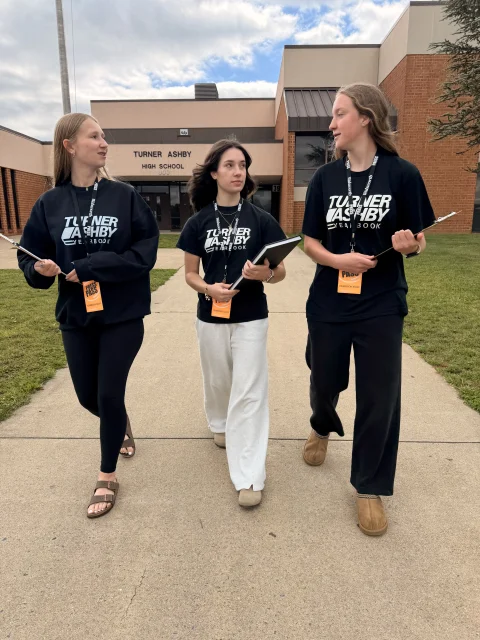
If there’s one thing yearbook advisers know how to do, it’s how to get creative. In my classroom, creativity comes in the form of color-coded spreadsheets, caffeine-fueled planning sessions and a student-led advertising team that turns ad sales into one of the most successful parts of our publication. As much as we love the creativity of choosing fonts and colors
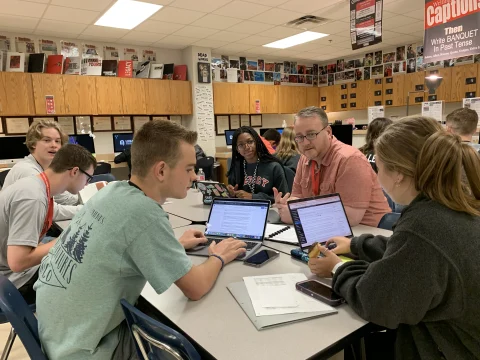

During editing, writers should remove vague wording, weak verbs and unnecessary filler. Replace passive voice with active verbs that create movement and energy. Consider these two examples: “The class was taught by Mr. Bennett.” Now compare it to: “Mr. Bennett paced between welding stations while students adjusted their helmets and revised their measurements.” The second sentence creates action and imagery.
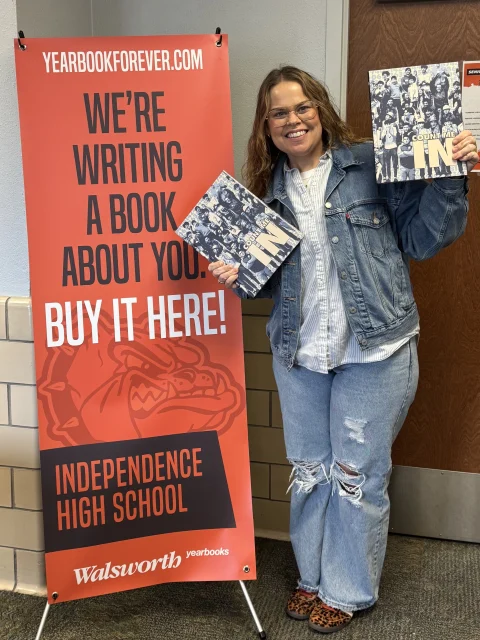

Nearly 530 students attend the high school where I teach. In a perfect world, our yearbook would likewise have 530 pages – enough real estate to adequately cover each unique student, their talents, interests and accomplishments – but the reality is that we have only 152 pages to work with. While our page count is modest, this limitation has become
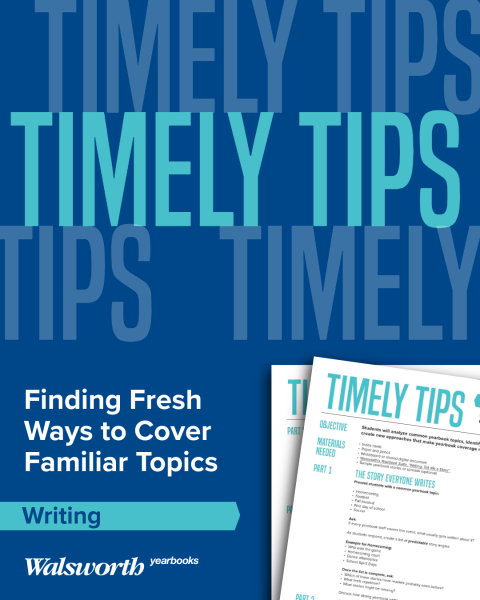

The fall semester can move quickly in your classroom. As students settle into their roles and production gathers momentum, you may begin noticing which skills need reinforcement. Some staffs need more practice collaborating. Others are ready to strengthen photography, design or writing. Walsworth’s September collection of Timely Tips offers four free, classroom-ready lesson plans you can use when those needs
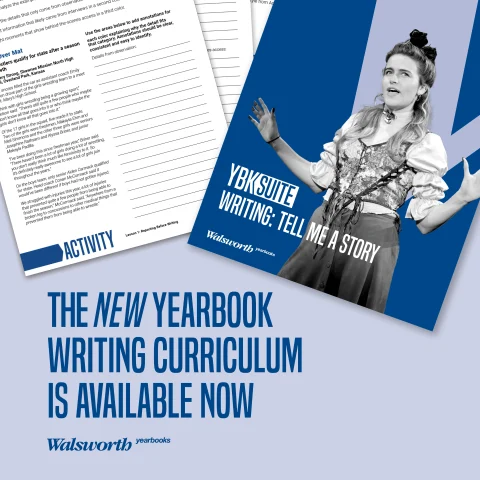
Every adviser has seen it happen. A student opens a blank document, types a broad sentence about a team working hard or students having fun and then waits for the rest of the story to appear. The result is a generic or incomplete story. The problem may not be the student’s writing. The problem may be everything that should have

Are you ready to dive into a world of classroom insights, fresh ideas and yearbook inspiration? We’re thrilled to announce the release of the fall 2026 issue of Idea File magazine, designed to support yearbook professionals like you in every aspect of your yearbook journey. Whether you’re a seasoned adviser or making your first book, we packed this issue with