If there’s one thing yearbook advisers know how to do, it’s how to get creative. In my classroom, creativity comes in the form of color-coded spreadsheets, caffeine-fueled planning sessions and a student-led advertising team that turns ad sales into one of the most successful parts of our publication.
As much as we love the creativity of choosing fonts and colors for our theme and new angles for our spreads, it can also require creativity to meet our sales and revenue goals. Business ads and senior tributes help us do that.
Every year, our staff brings in $17,000 to $20,000 in advertising revenue. There are no magic tricks or impossible sales tactics used. We simply use a clear plan, defined student roles and a sales blitz that turns teenagers into confident business representatives. We use that extra money to keep the yearbook price reasonable, replace camera equipment, pay for monthly staff celebrations and include upgrades and applications to our covers.
The best part? The students truly own the process.
The Ad Sales Process
Our sales timeline is surprisingly short. We operate on a focused three-week plan that creates urgency without dragging the process out for months. During the campaign, students spend five class periods reaching out to businesses by phone or in person. Since we are a fall-delivery book, we start around the first of October after we finalize the theme and ladder. I see my students every other day, so our three-week campaign is 10-12 class periods. A staff who meets daily could do it in two weeks.
Week One
Week one (days 1-3) focuses on preparation and organization. Students contribute to a potential contact list, brainstorm local businesses and identify community members who may want to support the yearbook. We look at businesses close in proximity to the school who have been strong supporters of the school and its programs. We prefer small businesses because the manager or owner is usually on site and can make decisions quickly. Students who have family or friends who work at offices, stores, banks, etc. also help provide an “in” before the initial contact. We do not include big box stores or chain stores because it’s difficult to reach someone at an 800 corporate number who is invested in the local high school.
After compiling a list of returning advertisers and possible new contacts, we provide students with descriptions and responsibilities of the four ad roles. Then students complete a self-ranking survey about where they see themselves contributing most successfully based upon their comfort level, skills and interests. They can also identify who they would be most compatible working with. The editors and I organize the four groups based on those identified strengths from the surveys.
Every staff member has a specific role, and every role matters equally. These roles include organizers, managers, invoicers and sellers.
Staff Roles
- The Organizers become masters of spreadsheets, contact lists and business info. They keep records updated, track which businesses we’ve contacted and organize logos and files for the designers.
- The Managers assign businesses to students based on strengths and connections. They monitor progress, encourage follow-up calls and help keep everyone on task.
- The Invoicers handle the financial side of the campaign. They make sure invoices are accurate, collect payments and ensure businesses receive exactly what they purchase.
- The Sellers make the sales. Before going out, they practice phone calls, review scripts and role-play conversations. While practicing, we talk about eye contact, confidence and professionalism. In their scripts, they introduce themselves, explain the reason for the visit, show an example of the yearbook and the ad section (with the business’ specific ad already bookmarked), mention how many families will see the ad and explain how the ad revenue will benefit the school, the book and the students. Sellers must be prepared with all materials. With every visit, they bring a contract, informational packet to leave behind and official receipt for on-the-spot sales. I do not let students sell ads alone. They must go in groups of at least two or three, and this is their chance to select the group that will work well together.
Build a stronger yearbook staff. Discover team-building strategies in Staff Management Through Team Building and find practical leadership tools, staff expectations and role guides in The Ultimate Yearbook Staff Manual.
Week Two
Week two (days 4-9) begins our outreach. Students make calls, send emails and visit businesses in person. Every class period starts with a quick meeting where we set a “one contact” goal for each group to keep momentum moving. Every selling group is expected to make that one contact and report back at the end of the class with an update for progress checks.
Week Three
Week three (days 10-12) becomes follow-up week. Students reconnect with businesses, finalize ad sizes, collect artwork, send invoices and confirm payments. The pace gets hectic, but students see how all the roles connect together.
Senior Ads
After business sales wrap up, we shift our focus to senior ads. Through emails, school newsletters, social media and a school texting system, we invite parents to purchase tribute ads celebrating their seniors. These ads are offered at lower prices than business ads to make them more affordable for families. We sell 25 to 30 senior ads, generating an additional $3,000 to $4,000. Prices for senior ads range from $50 to $200.
The Little Things That Matter
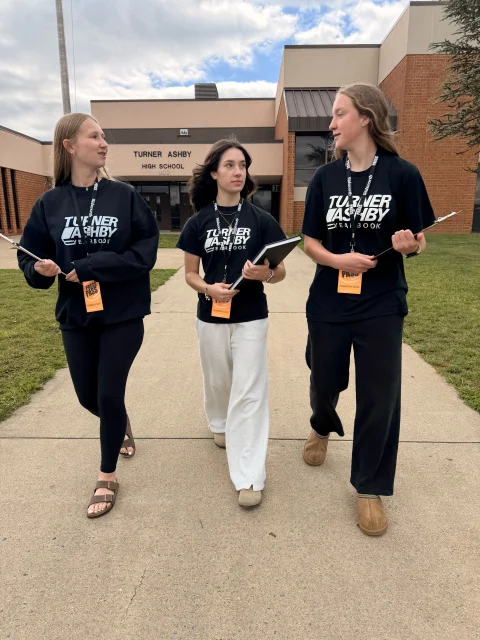
One of the things that makes our program successful is students operate like a real publication staff. During the sales blitz, students wear official yearbook T-shirts and carry press passes when visiting businesses. It gives them a sense of professionalism and purpose the moment they walk through the door. They are no longer just students asking for support; they become official representatives of the school publication.
Students may leave during the school day to make sales contacts as long as they have parental and school permission. While phone calls are effective, I strongly encourage students to make in-person visits whenever possible. There’s simply no substitute for face-to-face interaction.
In-person sales teach students skills they cannot fully learn behind a screen. They learn how to introduce themselves confidently, shake hands, make eye contact and represent themselves and the school professionally. They learn to speak with adults respectfully and handle themselves in unfamiliar situations – a valuable life skill.
Before the conclusion of our campaign, staff members write personalized, handwritten thank-you notes to every business ad purchaser. I constantly emphasize that relationships matter more than transactions. Businesses remember gratitude, and that follow-up process is one of the biggest reasons advertisers return year after year.
The School Community Matters
The community plays an enormous role in our success. We are fortunate to live in a town that is incredibly generous and deeply supportive of our school. Many local businesses look forward to seeing our students each year. Some business owners are former graduates themselves, while others simply value the connection between schools and community organizations.
That generosity creates an important lesson. Students see firsthand how communities rally around schools and student organizations. They begin to understand that people genuinely want to invest in students who show initiative, respect and gratitude.
Set Up a Successful Yearbook AD SALES CAMPAIGN IN FIVE STEPS
1. Build a student business team
Assign every staff member a specific role such as organizing contacts, managing deadlines, delegating assignments, invoicing or thanking businesses.
2. Train Students Before They Sell
Spend time practicing phone calls, role-playing conversations, reviewing scripts and discussing professionalism so students feel confident before contacting businesses.
3. Create a Focused Three-Week Timeline
Use a short, high-energy campaign with clear daily goals to maintain momentum and keep students motivated throughout the process.
4. Encourage Real-World Professionalism
Have students wear yearbook shirts, carry press passes and make in-person visits whenever possible so they gain confidence positively in the community.
5. Celebrate Relationships and Results
Follow up with thank-you notes and recognize student successes along the way. Building community relationships is just as important as reaching the final revenue goal.
Looking for more ad sales support? Visit our Market to Businesses resource center for sales plans, scripts, business outreach tools and other resources to help your staff run a successful yearbook ad campaign.
Learning Lessons Along The Way
By the end of the three weeks, students learn far more than they possibly could sitting in a classroom. They learn how to communicate professionally, handle rejection with confidence, manage responsibilities and work as part of a team. Through phone calls, meetings and community interactions, they build many real-world skills in leadership, organization and problem-solving while gaining confidence in themselves and their abilities.
I always learn something along the way, too. Success in ad sales reminds me that some of the most meaningful learning happens outside traditional assignments – when students step into authentic situations that require initiative, teamwork and perseverance.
Success does not always come from the loudest voice in the room. The quiet, reserved student who rarely speaks in class may become confident and persuasive when talking with local business owners, proving that courage can grow through experience. The organized student who naturally keeps things on track often steps up as a leader – managing deadlines, coordinating teammates and making sure every detail gets done. Watching students succeed reminds me every student has a unique strength waiting for the right opportunity to bring it out.
And honestly, there’s something pretty rewarding about watching students confidently representing our publication raise nearly $20,000 in just three weeks. That’s not bad for a bunch of teenagers with clipboards and determination
If you love yearbook, then you’ll love the full issue of Idea File magazine, available at walsworthyearbooks.com/ideafile. And if you’re interested in finding out more ways Walsworth can help you create a smoother, easier yearbook experience, reach out to your local Walsworth rep.