When advisers and staff ask how to improve yearbook photography, the answer is rarely about equipment. Strong photography is not about having the newest camera or the longest lens. It is about planning, intention and story.
In our latest yearbook training video, photography expert and former adviser Mark Murray shares a practical approach to improving yearbook photography by developing photo stories. The recommended methods helps staffs move away from hoping something works and toward creating coverage that tells a complete story on every spread.
Why Photo Stories Improve Yearbook Photography
A single strong image is not enough to carry a spread. Yearbook photography improves when images work together to show different parts of the same experience.
When photos repeat the same angle or moment, the spread becomes visually flat. Readers stop learning. Photo stories solve that problem by requiring each image to add new information rather than repeating what has already been shown.
Better yearbook photography comes from stronger visual storytelling, not more photos.
Two Photo Story Approaches Every Staff Should Use
One of the most useful parts of this training video is how clearly photo storytelling is broken down into two approaches that students can apply right away.
Time-Based Photo Stories
Time-based photo stories follow a sequence. They show what happens before, during and after an event. This approach works well for athletics, performances and competitions where progression matters.
When photographers plan for the full arc of an event, coverage feels complete rather than fragmented.
Space-Based Photo Stories
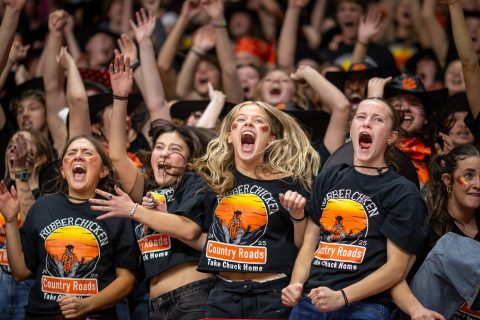
Space-based photo stories are not tied to a timeline. Instead, they explore what it feels like to be in the moment of the event or activity. Photographers rely on wide views to set the scene, medium shots to show interaction and tight details to add depth.
This approach works especially well for student life, academics and behind-the-scenes coverage.
How Shot Lists Help Photographers Take Better Photos
One of the biggest takeaways from this video is the importance of shot lists. Shot lists shift photography from reaction to intention.
When students arrive with a plan, they stop wandering events hoping to get lucky. They look for specific moments that support the story. This also gives advisers a way to coach photography without needing to teach camera settings.
Shot lists help photographers focus on the story first. Better planning leads to better yearbook photography.
Why Collaboration Matters in Yearbook Coverage
Yearbook photography improves when writers and photographers plan together. When both understand the story goal, coverage becomes more intentional and captions become more meaningful.
This collaboration elevates photography beyond documentation. It positions photographers as active storytellers who shape the narrative of the book.
Listen to the Podcast Companion Episode
This training video pairs with an episode of That Yearbook Podcast, making it easy to explore these ideas in another format. The podcast reinforces the same concepts through conversation and real examples and is a great option for listening during planning time or on the go.