No one wants to open a yearbook and find misspelled names, missing captions or factual errors, especially if you’re the editor. But proofing a book that large can feel overwhelming, especially when deadlines pick up later in the year. Don’t wait until the last minute to edit pages or leave your adviser to catch every mistake on their own.
Good proofing does not start at the final deadline. It starts before the first story is written and continues all year long. Editors can reduce stress for the entire staff by creating clear editing systems from start to finish.
There are two major types of editing. The first is big-picture editing: missing coverage, weak storytelling, incorrect facts or pages that do not match the theme. The second is detailed editing: typos, names, grades, AP Style and font consistency. Both matter because mistakes pull readers out of the story.
There are five phases to strong proofing, and editors can lead every step of the process.
1) Plan Ahead
Before the school year starts and staffers begin their first stories and designs, editors should refresh their own skills. Review AP style, the ABCD caption method and basic spread design. Keep these standards in mind while creating layout templates, theme packages and style guides.
A strong yearbook style guide should explain how the book handles writing, design and coverage. Include rules for headline styles, fonts, colors, photo credits, caption format, verb tense, quote attribution, abbreviations and common AP style rules. It can also include examples of approved designs and model captions or stories.
Laying this groundwork early keeps everyone on the same page. Staffers know expectations before they begin, and editors can make consistent edits throughout the year.
2) Teaching
The first weeks of school is your time to train the staff. Work with your adviser to build elements of your style guide into their lesson plans. The goal is for staffers to feel more confident when they start their first stories or pages.
Teaching editing skills early also encourages staffers to self-edit while they work. When students understand common mistakes before deadlines arrive, editors spend less time fixing small issues.
3) Lead by Example
Being an editor means you are good at what you do. Show your team what quality work looks like by modeling the process yourself. Staffers learn quickly when they see respected editors practicing strong habits.
As you work on your first deadline, talk aloud about your own editing process. Say things like:
“My headline doesn’t look like it’s the right font. I’m going to double-check the style guide.”
“Oops, I wrote this sentence in present tense. Stories need to be past tense.”
“How do you spell so-and-so’s last name again?”
When editors openly revise their own work, self-editing becomes part of the staff’s culture. Students learn mistakes are normal, but accuracy still matters.
4) Proofing Party
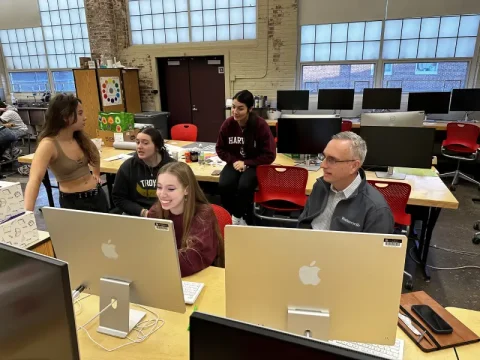
Once staffers finish their stories and designs, the proofing process moves to group editing. Try using these strategies before every deadline:
- Fresh eyes: Two staffers trade stories and check for missing details, continuity and style issues.
- Read aloud: Staffers read stories and captions aloud in small groups to make sure sentences flow naturally.
- Gallery walks: Print off designs and place the papers on tables around the classroom. Staffers circle around the room and use Post-its to make suggestions on peers’ work.
Collaborative proofing keeps everyone accountable and reinforces the idea of yearbook is a team effort. It also helps staffers become more comfortable sharing their work.
5) Last call
After completing peer edits, editors should organize one final proofing round before pages reach the adviser. Instead of placing every page directly on the adviser’s desk, create a clear flow. Pages might move from the section editor to the copy or design editor, then to the editor-in-chief before returning to the staffer for revisions. After those corrections, the adviser completes one final review.
This system spreads responsibility across the leadership team and prevents advisers from carrying the full editing load alone. Editors can answer questions, enforce the style guide and catch many mechanical errors.
Strong editors do more than manage deadlines. They mentor staffers, model accountability and actually edit!
Take time now with your editorial team to build a proofing system for the year. A strong process will save time, reduce stress and help your staff produce the best book possible.
If you love yearbook, then you’ll love the full issue of Idea File magazine, available at walsworthyearbooks.com/ideafile. And if you’re interested in finding out more ways Walsworth can help you create a smoother, easier yearbook experience, reach out to your local Walsworth rep.