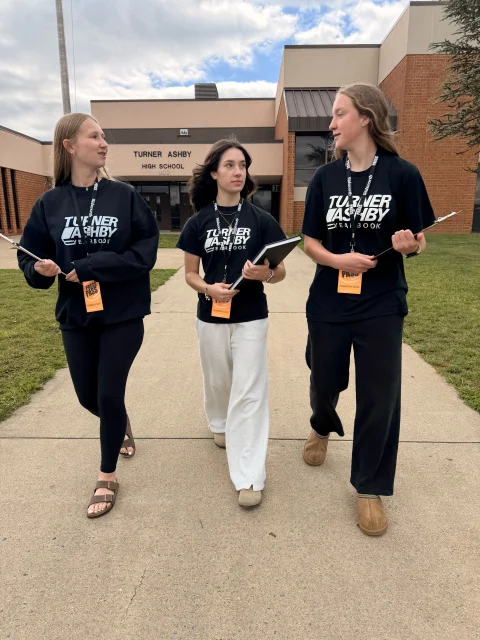
Just about every adviser has heard it from a student, parent or fellow faculty member: “The yearbook is too expensive.” But is price really the problem? Successful yearbook programs know sales are not driven by price alone. Families are more likely to buy when they understand the value of the book, see consistent reminders throughout the year and have simple ways to purchase. Take a closer look at these five simple ideas that could help improve your yearbook sales.
1: Regularly Evaluate Your Pricing Structure
Yearbook staffs should regularly evaluate their pricing structure. Periodic price increases are a normal part of running any successful business or school program to ensure goals can continue to be supported. What made sense five years ago may not reflect the needs of your program today.
Many advisers assume lowering the price will increase sales and raising the price will decrease them. In reality, purchasing decisions are often driven more by the perceived value than the number on the order form. If students truly want to buy something, most do not let price stop them. Concert tickets, fashion trends and countless other purchases prove this.
Some advisers worry raising prices will reduce sales. However, every school has a captive market – students and families who already understand the value of the yearbook and will always purchase. For these individuals, a $5 or $10 price increase has little to no impact.
Of course, every school also has students who genuinely need financial assistance. Rather than lowering the book’s price for everyone, consider targeted solutions such as a Yearbook Donation Program, which is sometimes called a Yearbook Angel Program. These programs allow families, businesses and community members to donate any amount to help students who otherwise might not be able to afford a yearbook. Some schools even offer a discount on business ads when a yearbook is donated.
A cheaper yearbook should not be your priority. The goal is to make sure every student who wants a yearbook has the opportunity to own one while maintaining a pricing structure that supports the longterm success of your program.
2: Don’t Assume Families Understand Your Book’s Value
Don’t assume everyone understands the yearbook tradition. Students cannot be expected to know how much their yearbook memories will mean in the future or how their yearbook will grow in value with time. Families may not realize the magnitude of the stories, memories and experiences being preserved. Some parents attended schools where yearbooks played a much smaller role, while others may come from cultures where yearbooks are not common. That means yearbook staffs need to show the value of the book long before the final sales deadline.
Start with simple, regular communication. Families can’t value what they never see. Show them how the yearbook is taking shape throughout the year and remind them of all that is inside.
Consider what happened during COVID. Yearbook and tribute sales remained strong and often significantly increased as families wanted a way to preserve an unforgettable moment in history. The yearbook became an experience, not just an object, and that feeling has continued.
The lesson is simple: people don’t buy yearbooks because they are inexpensive. They buy them because they believe the memories inside are worth it.
A few ways to communicate that value:
- Use deadline reminders to reinforce value, not just urgency.
- Share “sneak peek” spreads or photos throughout the year.
- Ask administrators to include yearbook reminders in school newsletters.
- Promote senior tributes early and often.
- Feature student photographers, writers and designers on social media.
- Show families what moments are being preserved before the book is complete.
- Share details like purchasing information and who is featured.
The goal is not simply to tell families the yearbook matters. The goal is to show them.
3: Incorporate Senior Tributes and Business Ads Into Your Revenue Strategy
All revenue does not have to come from yearbook sales. One of the most obvious ways to increase revenue for your program? Senior tributes, business ads or both.
Offering tributes gives families a once-in-alifetime opportunity to honor their senior or eighth grade student. Some schools even offer group tribute options so friends can publish a shared collage of their favorite memories. These opportunities create meaningful keepsakes for families at a more affordable price point while also supporting the yearbook’s financial health.
Business ads can also be a strong revenue source. Many local business owners have customers who attend your school or care about supporting student programs. Encourage students to pitch to local businesses.
Senior tributes and business ads do more than generate revenue. They help students learn how to communicate value, build relationships and contribute to the long-term success of their yearbook program. Read our feature story on page 30 to learn more about this.
Set your price to more than cover the cost of added pages and promote these opportunities early in the year. Waiting too long can limit participation, especially for families and businesses that need time to plan their purchases.
4: Build a Team Approach to Sales
Successful yearbook sales are built through a partnership between the adviser, student staff and publisher. Yearbook and ad sales should not be the sole responsibility of the adviser.
Assign a student to be the marketing manager and use the Pick 6 Marketing Menu to promote the yearbook multiple ways. When students take ownership of the sales and marketing efforts, they become stronger advocates for the yearbook and its value.
A team approach can include:
- A marketing manager to lead promotions
- Staffers assigned to create social media content and deadline reminders
- A business manager focused on ads
- Staff selling challenges or celebrations tied to sales goals
When students understand what they are working toward, they are often more motivated to help. Maybe they want to add a special cover application, travel to a journalism convention or upgrade camera equipment. Connecting sales goals to program goals helps students see why their efforts matter.
Walsworth also supports this team approach. The Parent Email Program helps keep yearbook purchasing top of mind by reaching families directly with timely sales reminders. Online ordering through yearbookforever.com makes purchasing simple and convenient.
Your Walsworth sales rep can help you build a yearlong sales plan, evaluate pricing strategies, identify key sales deadlines and share ideas that worked for schools in your area.

The strongest programs do not rely on one person or one sales push. They create a shared plan that keeps students, families and support resources connected throughout the year.
5: Develop a Year-Round Marketing Plan
Yearbook sales should not only happen when the deadline is approaching.
It is easier to ignore a message or miss the deadline for something you only hear about once or twice. A year-round marketing plan keeps the yearbook visible and helps your audience understand its value.
Start by building a calendar. Identify major sales and ad deadlines, school events and holidays. Then plan communication around those dates. Marketing does not have to be complicated. It just needs to be consistent.
Use multiple avenues to reach families and students, including:
- School announcements and administrator reminders
- Social media posts (even on Facebook – gasp! – for parents)
- Email reminders
- Posters around campus
- Newsletter and parent organization updates
- Student-created videos
- QR codes linking to yearbookforever.com
Vary the message so every reminder does not sound the same. One week, highlight senior tributes. Another, share a behind-the scenes look at the yearbook staff. Later, preview coverage from a major event or remind families the lowest price ends soon. Use the Walsworth Social Media Calendar for an easy way to get started.
The more consistently families see the yearbook connected to real student experiences, the easier it is for them to understand why it is worth purchasing.
We know, having the benefit of experience, the most valuable thing a student takes away from high school is not a class ring, sweatshirt or tassel – it is their yearbook.
Warren Buffett famously said, “Price is what you pay, value is what you get.”
Successful yearbook programs focus on creating meaningful experiences and consistently communicating their value. They regularly evaluate pricing, demonstrate value, build additional revenue opportunities, involve their staff and market throughout the year.
This year, take a closer look at the simple ideas that could improve your yearbook sales. Meet with your Walsworth Yearbooks Sales Representative, build a student marketing team and create a plan that helps more families understand the value your yearbook provides and why it is worth every penny.